Hip-hop culture emerged in the 1970s in New York City as a vibrant cultural movement that transcended music. It encompasses various elements, including DJing, rapping, breaking, and street art, each contributing to its rich tapestry. Hip-hop culture is not just a genre; it represents a lifestyle and a form of expression that speaks to social issues, identity, and community.
From block parties to urban gatherings, hip-hop became a voice for marginalized communities, addressing their struggles and triumphs. It quickly evolved from a local phenomenon to a global influence, impacting fashion, language, and art. This movement reflects an ongoing dialogue around race, inequality, and resilience, making it relevant across generations.
As hip-hop continues to evolve, it remains a powerful force in shaping cultural narratives worldwide. Exploring its roots and impact reveals profound insights into society, creativity, and the human experience.
Historical Origins of Hip Hop
Hip-hop culture originated in the 1970s in the Bronx, emerging as a response to socio-economic challenges. Key figures and the culture’s initial spread played critical roles in shaping its identity during its formative years.
The Birth in the Bronx
The emergence of hip-hop can be traced back to the Bronx in the early 1970s. Young people in this area began organizing block parties to celebrate their community through music and dance. DJ Kool Herc is credited with laying the foundation of hip hop by innovating techniques such as breakbeat DJing, emphasizing percussion breaks in music, which energize dancers.
Parties often featured graffiti art, MCing, and breakdancing, all essential elements of hip-hop. This grassroots movement fostered creativity and collaboration, creating a cultural identity for marginalized youth in the South Bronx. The atmosphere was one of unity and self-expression amid adversity.
Influential Figures and Early Pioneers
Several figures were pivotal in defining hip-hop culture. Grandmaster Flash advanced DJing techniques further, introducing methods like backspinning and punch phrasing, which enhanced live performances. Other pioneers such as Afrika Bambaataa helped establish hip hop as a cultural movement, promoting peace and unity among diverse communities.
Bambaataa founded the Universal Zulu Nation, an organization aimed at empowering youth and promoting hip-hop as a means of social change. These early innovators set the stage for hip-hop by melding different influences and fostering a community dedicated to creativity.
Spread and Evolution Through the 1980s
By the 1980s, hip-hop began to gain national attention. The release of tracks like “Rapper’s Delight” by the Sugarhill Gang introduced hip-hop to a wider audience, paving the way for commercial success. This decade saw an explosion of creativity across multiple elements of hip-hop, including music, fashion, and art.
The growth of television and radio further contributed to hip hop’s spread. Pioneering shows such as “Yo! MTV Raps” showcased hip-hop artists, linking music with emerging cultural trends. Throughout the decade, hip-hop began to diversify, incorporating different styles and messages, thus solidifying its place in mainstream culture.
Elements of Hip-Hop Culture
Hip-hop culture comprises various elements that contribute to its vibrant and dynamic essence. Key aspects include rapping, DJing, dance, and visual arts, each playing a pivotal role in the community’s expression and creativity.
Rapping and MCing
Rapping, often seen as the backbone of hip-hop culture, involves delivering rhythmic, rhymed lyrics over a beat. This form of vocal artistry is performed by MCs, who craft their delivery to convey messages or tell stories, connecting with the audience.
Prominent figures like DJ Kool Herc are credited with popularizing this art form in the 1970s, emphasizing its roots in storytelling and social commentary. MCs often compete in rap battles, showcasing their lyrical skills and improvisation, further enriching the craft.
DJing and Turntablism
DJing and turntablism are foundational elements of hip-hop culture. DJs manipulate music using turntables and mixers, creating a unique sound that captures the audience’s attention. The art of turntablism involves complex techniques like scratching, beat juggling and mixing, allowing DJs to build exciting and dynamic soundscapes.
These skills were crucial in the early years of hip hop, as DJs like Kool Herc laid the groundwork for the genre. They enhanced live performances and inspired many artists to experiment with new sounds, solidifying DJing as a cornerstone of hip-hop music.
B-boying and Hip-Hop Dance
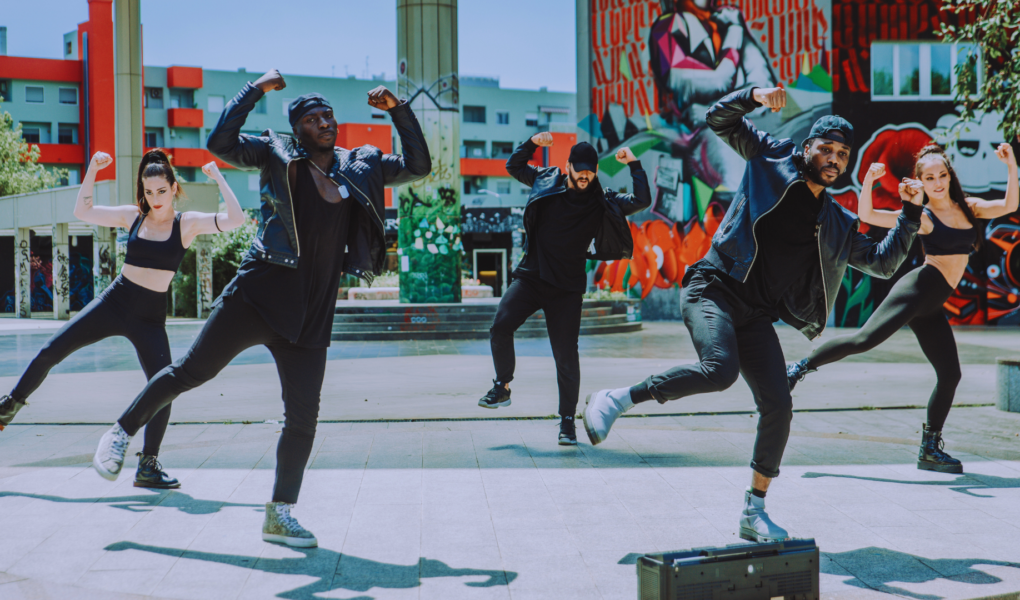
B-boying, or breaking, is a distinctive dance style that emerged from hip-hop culture. It combines athletic movements, creative footwork, and intricate spins, often performed to the beats laid down by DJs. B-boying is characterized by its competitive nature, with dancers showcasing their skills in cyphers and battles.
Participants express their individuality through dance, highlighting both personal and cultural influences. The dance continues to evolve, incorporating elements from various styles while remaining deeply rooted in the hip-hop tradition.
Graffiti Art and Visual Expression
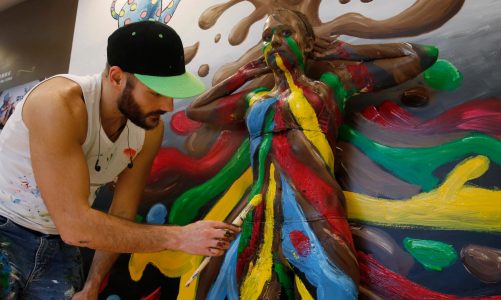
Graffiti art serves as a visual representation of hip-hop culture, showcasing creativity and social commentary. Artists use urban spaces to create vibrant murals and tags, often addressing social issues or personal stories. The art form is not merely vandalism; it is a legitimate form of expression celebrated in galleries and exhibitions.
Prominent street artists have contributed to the evolution of graffiti, merging traditional techniques with modern themes. This visual art form complements the other elements of hip-hop, providing a powerful way for individuals to voice their experiences and perspectives.
Socio-Cultural Impact
Hip-hop culture significantly influences socio-cultural dynamics, acting as a powerful voice for marginalized communities. It shapes lifestyles, drives social commentary, and fosters a sense of identity and empowerment among urban youth.
Hip Hop as a Voice for the Marginalized
Hip-hop emerged as a response to systemic inequalities faced by urban communities, particularly among marginalized groups. Artists use their platforms for social commentary, addressing issues like racism, poverty, and police brutality.
Through lyrics and performances, hip-hop fosters resistance against oppression. This genre allows marginalized communities to express their struggles and aspirations, creating a sense of solidarity.
The movement emphasizes knowledge of self, encouraging individuals to take pride in their identity while challenging societal norms. This empowerment through art has inspired countless individuals to rise above their circumstances.
Global Influence and Adaptation
As a global phenomenon, hip-hop transcends geographical boundaries. Its influence has led to adaptations in diverse cultures, allowing local artists to incorporate unique elements while maintaining core aspects of the genre.
Internationally, hip-hop has catalyzed social movements, serving as a unifying force for various communities. Artists around the world speak to their contexts, using hip-hop as a tool for change and awareness.
The exchange of ideas across borders contributes to a rich tapestry of cultural expression. This cross-pollination enhances global understanding while rooting local voices in the larger hip-hop narrative.
Fashion, Language, and Lifestyle
Hip-hop culture has profoundly impacted fashion, language, and lifestyle. Distinct styles, such as oversized clothing and streetwear, have become synonymous with hip-hop. This fashion statement often embodies resilience and self-expression.
Language associated with hip-hop has also transformed communication, introducing slang and phrases that resonate within and beyond urban communities. This linguistic evolution reflects cultural identity and shared experiences.
Moreover, hip-hop promotes a lifestyle centred around creativity and self-empowerment. It encourages not just artistic expression, but also entrepreneurship and social activism, shaping the way urban youth navigate their environments and assert their identities.
The Music and Artistry of Hip Hop
Hip-hop culture is deeply rooted in its music and artistry, bridging various genres and influencing countless artists. This section explores the evolution of hip-hop music, notable figures in the genre, and the production techniques that bring it to life.
Evolution of Hip Hop Music
Hip-hop music began in the 1970s in the Bronx, New York City. It emerged from a blend of funk, disco, and jazz influences, often utilizing breakbeat rhythms. Early tracks featured DJs mixing and looping beats, while MCs engaged the audience with rhythmic spoken word.
The genre saw significant evolution in the 1980s and 1990s, with groups like N.W.Addressing social issues through their aggressive sound. The transition from party-oriented tracks to more serious themes marked a turning point. By the late 1990s, artists like Notorious B.I.G. and Tupac Shakur transformed hip-hop into a prominent cultural force, touching on personal and societal struggles.
Notable Artists and Landmark Albums
Key figures in hip hop’s history include Jay-Z, Eminem, and Kanye West. Each of these artists has significantly impacted the genre with their unique styles and storytelling abilities. For instance, Jay-Z’s album “The Blueprint” (2001) is often cited for its innovative production and lyrical depth.
Eminem broke barriers in the late 1990s with “The Slim Shady LP,” showcasing his intricate rhyme schemes and personal narratives. Kanye West, through albums like “The College Dropout,” has blended hip-hop with various musical influences, pushing the boundaries of the genre.
Production Techniques and Musical Style
Production in hip-hop often involves sampling, where snippets from other songs create a new track. This technique allows artists to pay homage to earlier music while crafting their unique sound. Traditional elements like breakbeats also play a crucial role in creating a rhythmic foundation.
Musical styles in hip hop vary widely, including subgenres such as trap, which emerged from Atlanta in the 2000s. Inspirations from funk and jazz continue to influence contemporary hip-hop, with artists incorporating live instrumentation and complex arrangements. These production techniques and styles contribute to hip-hop’s rich and diverse soundscape.