You step into a studio where software, instruments, and microphones work together to turn ideas into finished tracks. Technology lets musicians compose, arrange, and record with precision, whether they tap a MIDI controller, layer virtual instruments, or capture live performances with high-quality microphones.
Musicians use digital audio workstations, plugins, and affordable home-studio gear to draft, edit, and polish music from first sketch to release-ready master. This article will show how those tools shape creativity and workflow, from composing and sound design to recording and mixing, so you can understand the practical ways technology changes how music gets made.
Expect concrete examples of the tools and techniques artists rely on, plus clear explanations of how each stage of production benefits from technology.
How Musicians Use Technology to Create and Record Music
Musicians rely on software, hardware, and online services to compose, sound-design, record, edit, mix, and distribute music. These tools range from DAWs and virtual instruments to AI assistants, home-studio hardware, and streaming platforms that affect rights and collaboration.
Digital Audio Workstations as the Creative Hub
Digital audio workstations (DAWs) like Ableton Live, Logic Pro (Logic Pro X), FL Studio, Pro Tools, and GarageBand act as the central software environment for production. Musicians arrange multitrack sessions, record audio, program MIDI, edit takes with comping tools, and host plugins (VST/AU) inside a single project.
DAWs provide timeline-based editing, automation lanes, tempo maps, and routing for buses and groups. They support audio file import/export, sample libraries, and integrated mixing consoles with send/return effects such as reverb and delay. Collaboration features vary: Ableton Link syncs live rigs, Logic offers file exchange, and cloud-integrated platforms enable cross-device work.
Virtual Instruments and Plugins in Modern Production
Virtual instruments and plugins extend sonic palettes without physical hardware. Software synthesizers like Serum, Massive, and Omnisphere create complex timbres, while sampled instruments from Native Instruments and Kontakt reproduce acoustic detail. Musicians use instrument racks and multi-instance routing to layer synths and libraries.
Effects plugins—compressors, EQs, convolution reverbs—shape tone and space. Developers such as Waves, FabFilter, and iZotope provide tools for coloration and corrective processing. Sample libraries and services like Splice and Native Instruments let producers audition and drag samples directly into DAWs, speeding creative iteration and maintaining consistent sound quality across projects.
Music Creation and Composition with AI and Automation
AI tools assist composition, arrangement, and sound design. Services like AIVA, Amper Music, and cloud plugins generate chord progressions, MIDI parts, or stems that composers adapt. Machine learning can suggest harmonies, auto-quantize grooves, or create drum patterns from simple inputs.
Automation within DAWs and plugin macros enables complex parameter changes over time, letting producers morph timbres or automate reverb sends and filter sweeps. Musicians must treat AI outputs as starting points, editing MIDI data and sound choices to retain musical intent and copyright clarity.
Home Studios, Recording Setups, and Accessibility
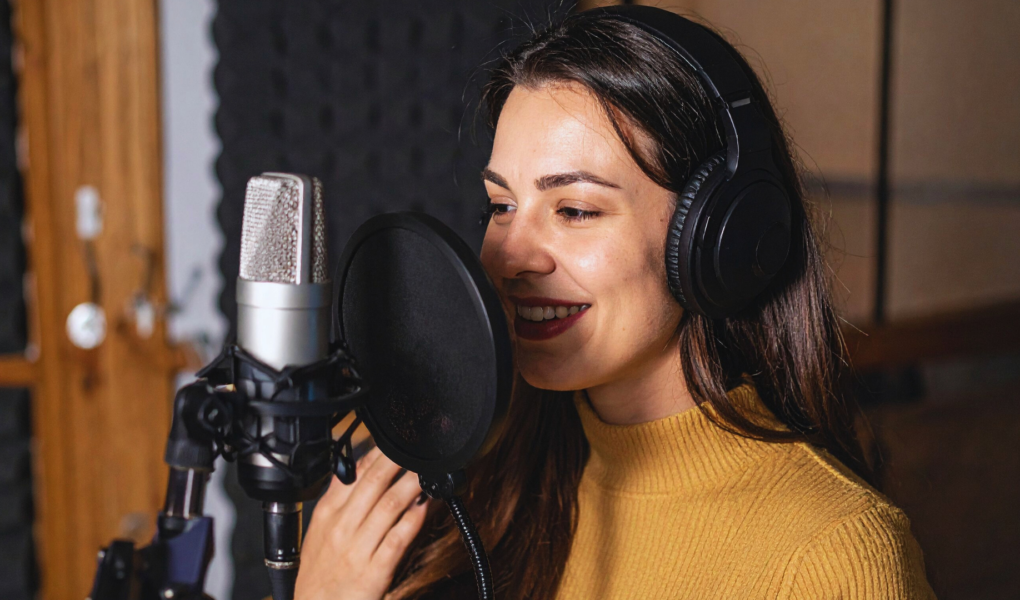
Affordable home studios now produce professional-quality tracks. A basic setup includes an audio interface (Focusrite, Universal Audio), a condenser microphone, headphones, monitors, and a DAW on a laptop. USB MIDI controllers (Novation, Akai) and compact controllers streamline note input and performance.
Room treatment, mic placement, and gain staging remain essential to capture clean sources. Hybrid workflows—recording analog gear or guitars into an interface and processing through plugins—combine convenience with sonic character. Cloud backup and file-sharing services like BandLab and Dropbox enable session exchange and remote collaboration.
Sampling, MIDI, and Sound Design Techniques
Sampling and MIDI form the backbone of many modern styles. Producers chop and map samples in samplers (Akai MPC, Kontakt) or within DAWs, then sequence them via MIDI to create grooves and textures. Time-stretching and warping tools preserve transients while matching tempo.
Sound design uses oscillators, filters, LFOs, and envelopes in software synthesizers to craft leads, pads, and basses. Layering sampled hits with synthesized tones and using modulation matrices yields richer sounds. Creative use of effects—granular processing, convolution reverb, and creative delays—turns mundane sources into unique sonic elements.
Mixing and Mastering in the Digital Domain
Mixing balances levels, panning, EQ, compression, and time-based effects to create cohesive tracks. Engineers use DAW mixing consoles, bus routing, and reference tracks to maintain translation across playback systems. Plugins such as FabFilter Pro-Q, SSL-style compressors, and tape emulators model analog characteristics digitally.
Mastering prepares tracks for distribution with limiting, multiband compression, stereo imaging, and loudness metering to meet platform standards (Spotify, Apple Music, Tidal). Services like LANDR offer automated mastering, while experienced engineers use high-resolution monitoring and dedicated mastering chains to preserve dynamics and ensure compliance with loudness targets.
Streaming Services, Collaboration, and Music Rights
Streaming platforms (Spotify, Apple Music, YouTube, Tidal) shape how musicians release and monetize music. Artists upload via distributors that handle metadata and ISRC codes; platforms then apply personalized playlists, discovery algorithms, and royalty reporting. Independent musicians manage rights, splits, and publishing metadata to protect revenue.
Online collaboration tools—BandLab, Splice, cloud DAW projects, and file-sharing—allow remote co-writing and version control. Musicians must track stems, session formats, and licensing for samples or AI-generated parts to avoid copyright disputes. Sync licensing and direct-to-fan channels supplement streaming income and broaden exposure.
Emerging Technologies: Spatial Audio, AR, and VR Experiences
Spatial audio formats such as Dolby Atmos and binaural mixes create immersive listening for headphones and home theaters. DAWs and specialized plugins support object-based mixing and upmix workflows for immersive delivery. Musicians prepare stems and panning metadata to place instruments in three-dimensional space.
Augmented reality (AR) and virtual reality (VR) enable virtual concerts and interactive experiences where users interact with music elements. Live streaming and loop stations integrate with AR/VR performance rigs to present immersive shows on platforms like YouTube or bespoke VR venues. These formats require new mixing techniques, higher channel counts, and attention to latency and audience interaction design.