The intersection of technology and creativity has taken a bold step forward with the rise of AI-generated art. Artists and creators are exploring new possibilities that challenge traditional boundaries and redefine what it means to create. AI-generated art is transforming the creative world by enabling new forms of expression and collaboration that were previously unimaginable.
As artists begin to embrace these innovations, they are discovering unique ways to incorporate AI into their workflows. This has opened the door for more diverse and inclusive approaches to art, allowing individuals from various backgrounds to participate in the creative process. Creative professionals are using AI to generate ideas, enhance their techniques, and even produce entire works of art, resulting in a richer artistic landscape.
The impact of AI on the creative industry raises questions about originality, authorship, and the future role of artists. As these technologies continue to evolve, they will undoubtedly shape the future of art in ways that could not have been anticipated.
The Impact of AI on Creative Industries
AI is reshaping the creative landscape by transforming artistic expression, revolutionizing design and visual arts, influencing music and literature, and presenting challenges and opportunities in advertising. These changes are evident across various creative fields.
Transforming Artistic Expression
AI-generated art is changing how artists conceive and create. Tools like generative adversarial networks (GANs) enable artists to explore new styles, techniques, and processes. This technology provides fresh inspiration, allowing artists to combine traditional methods with innovative practices.
Additionally, collaborative AI tools encourage artists to experiment without the fear of failure. They generate suggestions or variations on existing works, prompting new ideas. The result is a more diverse and inclusive art scene, where artists from different backgrounds can expand their creativity.
Revolutionizing Design and Visual Arts
In design and visual arts, artificial intelligence is streamlining workflows and enhancing creativity. Designers use AI software to automate repetitive tasks, allowing more time for strategic thinking.
AI-assisted design tools can generate unique visuals based on input parameters or trends, which frees designers to focus on conceptual development. For example, fashion designers can quickly analyze market trends, creating collections that resonate with consumers. This technology also has practical uses for people who want to try out body art before they commit to it. Many people use an ai tattoo generator to see how a specific image looks on their skin. Users can upload a photo of themselves and describe what they want to see. This helps them decide on the size and placement of a design. It makes the process of getting a tattoo less stressful because the result is not a surprise. These tools give people more confidence in their creative choices.
As a result, the integration of AI into design leads to more personalized and relevant creative work, helping designers keep pace in a fast-evolving industry.
Influence on Music and Literature
AI’s presence is also felt in music and literature. AI algorithms can compose original music, drawing from extensive datasets to create varied styles and genres. Musicians can leverage these tools to generate melodies or assist in songwriting, enhancing their creative processes.
In literature, AI can perform tasks ranging from grammar checks to generating plot ideas. Authors can utilize AI to brainstorm storylines or refine their writing style. This collaboration with technology allows for a fusion of human and AI creativity, producing works that are both innovative and diverse.
Challenges and Opportunities in Advertising
In advertising, AI offers unique opportunities and challenges for agencies. It can analyze consumer behavior and preferences, enabling targeted campaigns that resonate with specific audiences. AI tools can generate ads, optimize spending, and track engagement, maximizing efficiency for advertising agencies.
However, these advancements also raise ethical questions. There are concerns about the potential for bias in AI-generated content and the impact on creative professionals. Striking a balance between leveraging AI’s capabilities and maintaining human creativity may define the future of advertising.
Technological Evolution of Art Creation
The evolution of technology in art creation significantly reshapes artistic practices. Advances in artificial intelligence (AI) and machine learning allow creators to explore new avenues using tools based on complex algorithms.
From Neural Networks to Generative Models
Neural networks, particularly generative adversarial networks (GANs), form the backbone of many AI art systems. GANs consist of two neural networks: a generator and a discriminator. The generator creates images, while the discriminator assesses them against real images. This interaction leads to increasingly sophisticated outputs.
Notable applications include DALL-E and Midjourney, which leverage advanced neural networks to produce unique artworks from textual prompts. This technology enables artists to generate concepts at remarkable speeds, pushing the boundaries of creativity.
Rise of Text-to-Image AI Tools
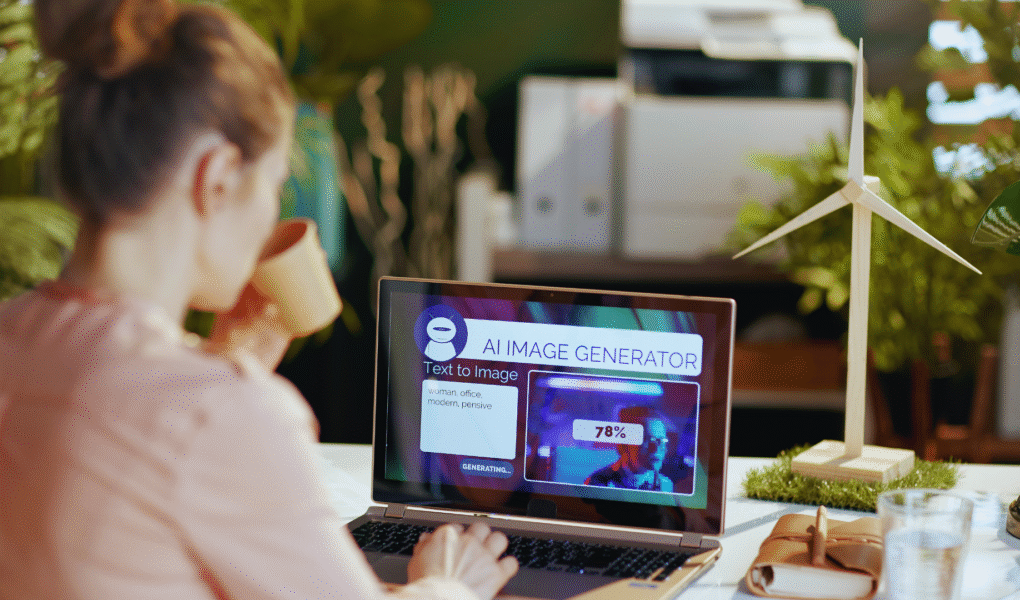
Text-to-image AI tools have gained prominence in the art world, transforming how individuals create visual content. Tools like Stable Diffusion and Adobe Firefly allow users to input descriptive text and receive corresponding images. This process democratizes art creation, enabling those without extensive artistic training to produce compelling visuals.
These tools utilize deep learning to understand language and translate it into visual representations. As a result, they foster collaboration between human creativity and machine technology.
Training Data and Machine Learning Models
Machine learning models are only as effective as their training data. Large datasets of images and associated descriptions inform AI systems, helping them learn relationships between text and visuals. These datasets must be diverse to ensure that generated art reflects a wide range of styles and concepts.
Data sourcing remains a critical factor, as ethical considerations arise regarding ownership and copyright. Ensuring that AI-generated art respects original works is vital for maintaining integrity in the creative process. Enhanced training approaches continue to refine the abilities of AI models, leading to more nuanced and innovative artworks.
Intellectual Property and Ethical Considerations
The rise of AI-generated art presents complex challenges around intellectual property rights and ethical implications. As automation enhances artistic creation, questions regarding authorship, ownership, and the responsibilities of creators and consumers become increasingly relevant.
Copyright and Ownership Issues
Copyright law traditionally protects works created by human authors. In the realm of AI-generated art, determining ownership becomes problematic. If an AI algorithm produces an artwork, who holds the copyright?
Some argue that the original creators of the AI, such as programmers or artists who contributed to its development, should retain rights. Others suggest that works generated without significant human input may fall into a gray area of copyright infringement, leading to unresolved legal debates. As this technology evolves, legal frameworks struggle to keep pace.
Ethical Questions in AI-Generated Art
The use of AI in art raises significant ethical dilemmas. Some artists express concern that automation may devalue human creativity. It can lead to a scenario where unique artistic styles are replicated without proper attribution.
Additionally, using datasets that include copyrighted works to train AI algorithms raises issues of consent. Critics argue that artists whose work is used without permission suffer potential financial and reputational harm. Transparency in AI training processes could help address these concerns.
Navigating Creator-Consumer Ambiguity
AI-generated art creates ambiguity between creators and consumers regarding the value and ownership of artwork. Consumers purchasing AI-generated pieces may not fully understand the implications of copyright.
Art buyers often assume that original artwork carries unique ownership rights. However, if the underlying AI can generate similar pieces indefinitely, the concept of uniqueness becomes blurred. This ambiguity can create legal disputes and ethical dilemmas surrounding resale and reproduction, complicating the relationship between creator and consumer. Addressing these issues will require clear communication and possibly new legal frameworks.