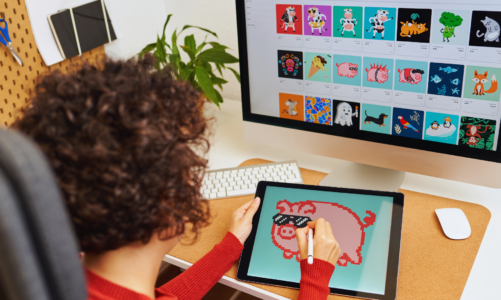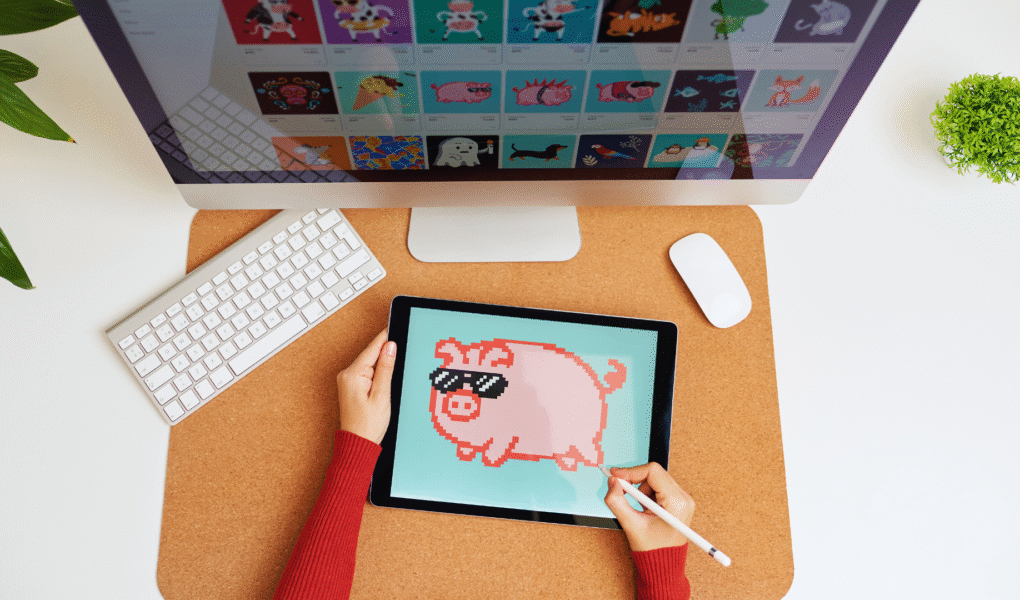
The realm of digital art has transformed significantly over the past few decades, driven by advancements in technology and shifts in artistic expression. Artists have embraced digital tools, enabling the creation of immersive and innovative works that challenge traditional boundaries. The introduction of NFTs has revolutionized how digital art is bought, sold, and valued, allowing for the establishment of ownership and authenticity in a previously intangible medium.
As blockchain technology underpins the NFT market, artists now have new avenues to monetize their work directly, reducing reliance on galleries and auction houses. This democratization of art sales has empowered creators to connect with global audiences, fostering a diverse and dynamic art ecosystem. The integration of NFTs not only enhances the visibility of digital art but also redefines its perceived value in the modern art landscape.
Throughout this exploration of the evolution of digital art and NFTs, insights into how these developments impact artists and collectors will be presented. Readers will gain an understanding of how this movement is reshaping the artistic landscape and the broader implications for the future of creativity and commerce in the digital age.
The Emergence of Digital Art
Digital art has transformed creative practices and reshaped the perception of art in contemporary culture. It encompasses various forms, from digital painting to interactive installations, and thrives in the interplay between traditional artistic techniques and modern technology.
Defining Digital Art
Digital art refers to artistic works created using digital technology. This can include graphic design, animation, and 3D modeling, among others. Unlike traditional art forms, which rely on physical media such as paint or clay, digital art is produced on computers or tablets.
Artists often blend techniques from traditional art with digital tools, offering unique visual expressions. The digital medium allows for greater experimentation and manipulation of images, enabling artists to push the boundaries of creativity.
Historical Context and Evolution
The roots of digital art trace back to the mid-20th century with the advent of computers. Early pioneers like Frieder Nake and Harold Cohen began exploring algorithmic art, using programming to create visuals. As technology evolved, so did the capabilities of digital tools.
The 1990s marked a significant shift with the rise of software like Adobe Photoshop, democratizing digital art creation. This period saw an increase in accessibility for artists, facilitating the expression of diverse styles and ideas.
Digital Art in the Age of the Internet
The internet revolutionized how digital art is shared and consumed. Artists now leverage platforms like Instagram and online galleries to showcase their work, reaching global audiences without the need for physical exhibitions. This shift has also transformed the role of galleries, which must adapt to the digital landscape.
Additionally, the rise of NFTs provides new avenues for artists to monetize their creations. This technology allows for the verification of ownership and authenticity, introducing new economic dynamics within the digital art market.
Through these developments, digital art continues to gain recognition, challenging the conventions of traditional galleries and maintaining a dynamic presence in art discourse.
Non-Fungible Tokens (NFTs): A New Paradigm
Non-Fungible Tokens (NFTs) represent a significant shift in the way digital art is perceived, valued, and owned. By leveraging blockchain technology, they provide a unique method for establishing authenticity and ownership. This section explores the essential elements of NFTs and their impact on digital art.
What Are NFTs?
NFTs are unique digital assets that represent ownership of a specific item or piece of content, often in the form of art, music, videos, or even virtual real estate. Unlike traditional cryptocurrencies like Bitcoin, which are fungible and can be exchanged one-to-one, NFTs are non-fungible. This means each token has distinct characteristics and cannot be replaced by another.
NFTs are created on blockchain networks, primarily Ethereum. Smart contracts underpin these tokens, ensuring that ownership and transaction history are securely recorded and verifiable. Artists and creators can tokenize their work, enabling direct sales to collectors without intermediaries.
The Technology Behind NFTs
Blockchain technology serves as the backbone of NFTs, providing a decentralized and distributed ledger. This ensures that each NFT transaction is recorded transparently, making it difficult to counterfeit or duplicate an asset.
When an artist mints an NFT, they create a digital certificate of authenticity tied to their artwork. This certificate includes metadata such as the creator’s information, ownership history, and any royalties due on future sales. The most common standards for NFTs are ERC-721 and ERC-1155 on the Ethereum blockchain, which define how these tokens operate and interact.
NFTs and Authenticity
Authenticity is a crucial component of NFT transactions. Each NFT contains metadata that proves ownership and provenance, significantly reducing the risk of forgery. This traceability allows buyers to verify the artwork’s origin, ensuring that they invest in legitimate pieces.
Moreover, artists can embed royalties within the smart contracts. This means they can earn a percentage from future sales, allowing for ongoing revenue as their work appreciates in value over time. This model aligns the interests of artists and collectors, fostering a more sustainable ecosystem for digital art.
Impact on Artists and Ownership
The rise of NFTs has transformed how artists approach their work and audience. By cutting out galleries and auction houses, they can sell directly to collectors, resulting in higher profit margins. This democratization of access allows a wider range of artists to showcase their talent and gain recognition.
Ownership, too, has evolved with NFTs. Collectors now possess digital items that come with verified rights. While the digital file remains accessible to anyone online, ownership of the NFT confers exclusivity. This shift has spawned new marketing strategies, fan engagement, and collaborative opportunities within the art community, reshaping the landscape of digital art.
The Market Dynamics of NFTs
NFTs have reshaped the landscape of digital asset trading. Key factors include the roles of collectors, investors, and platforms that facilitate sales. The impact on the art market, as well as expansions into other sectors, illustrates the multifaceted nature of this market.
Collectors and Investors
Collectors drive demand in the NFT market, often motivated by the uniqueness and provenance of digital assets. They seek pieces that have potential for appreciation in value, sometimes viewing acquisitions as long-term investments.
Investors, on the other hand, focus on financial return, buying NFTs that they believe will increase in value over time. Reports indicate that some NFTs have sold for millions, attracting both seasoned collectors and newcomers eager to capitalize on the potential profits.
Auction and Sales Platforms
The emergence of digital auction platforms has revolutionized NFT sales. Platforms like OpenSea, Rarible, and Foundation provide a marketplace for creators and buyers to interact directly.
Key features of these platforms include transparency in transactions, real-time bidding, and extensive selection. Auctions often feature high-profile drops from artists, further driving interest. These platforms have made NFT purchasing accessible, enhancing visibility and market liquidity.
Transformation of the Art Market
The introduction of NFTs has disrupted traditional art markets significantly. Artists can now monetize their work directly, bypassing galleries and agents. This shift allows for greater profit retention for creators.
Moreover, NFTs enable artists to embed royalties in contracts, ensuring a percentage of resale profits. This mechanism fosters ongoing relationships between artists and collectors. The shift has democratized access to art, allowing diverse voices in the digital space to emerge.
NFTs Beyond Art
NFTs extend beyond the realm of art, influencing various industries. The music industry has embraced this technology by allowing artists to sell limited edition tracks or exclusive content directly to fans.
Gaming has also adopted NFTs, incorporating unique in-game items that players can buy, sell, or trade. Additionally, virtual real estate has gained traction, with platforms like Decentraland facilitating ownership and trading of digital land. These innovations indicate that the NFT market is likely to continue evolving across multiple sectors.
The Future of Digital Art and NFTs
The landscape of digital art and NFTs is set to evolve significantly. Key areas include expanding horizons for artists and collectors, regulatory frameworks, integration with traditional galleries, and anticipated technological innovations.
Expanding Horizons
Digital art is becoming more accessible due to the proliferation of platforms that facilitate creation and sale. Artists can reach global audiences instantly, bypassing traditional gatekeepers in the art world. NFT marketplaces, such as OpenSea and Rarible, allow creators to monetize their work directly.
Blockchain technology ensures authenticity, enabling artists to establish their digital ownership clearly. This eliminates issues like art forgery, which plague the traditional art market. Greater adoption of immersive technologies, such as augmented and virtual reality, will further transform how digital art is experienced and displayed.
Regulatory and Ethical Considerations
As the NFT market grows, regulations are beginning to emerge. Governments and organizations are examining how to manage intellectual property rights, taxation, and consumer protection within the digital art sphere. These regulations can enhance trust and stability.
Ethical considerations also come into play. Questions arise about environmental impacts due to energy consumption from blockchain networks. Artists and developers may need to find more sustainable solutions. This includes exploring eco-friendly blockchain options or carbon offset initiatives to align with societal values.
Integration with Traditional Art World
The intersection of digital art and the traditional art world is becoming more seamless. Major auction houses like Christie’s and Sotheby’s have started featuring NFT art, indicating mainstream acceptance. This integration allows digital artists to gain recognition traditionally reserved for their physical counterparts.
Collaborations between digital artists and established gallery owners are increasing. These partnerships can enrich exhibitions with a hybrid approach, combining digital and physical works. This fosters a dynamic environment that encourages dialogue and innovation in both spheres.
Innovations on the Horizon
Future advancements in technology promise to further revolutionize digital art. Smart contracts are expected to enhance the ownership experience by automating royalty payments to artists. This ensures creators receive compensation each time their work is resold, fostering a fairer ecosystem.
The emergence of the Metaverse will also reshape how art is created, sold, and experienced. Virtual galleries and immersive environments will allow for new forms of interaction. Artists can experiment with 3D and interactive art, creating experiences that transcend physical limitations.
As digital art continues to evolve, staying informed about these trends will be essential for artists and collectors alike. The combination of creativity and technology is paving the way for an exciting future in digital art and NFTs.