The rise of AI art has sparked a heated debate about the boundaries of creativity and originality. Many wonder if technology is enhancing artistic expression or overshadowing the human element in art. AI art has not gone too far; instead, it prompts a reevaluation of creativity’s definition in an age where machines can generate compelling visuals.
As artists and technologists collaborate, the line between human creativity and AI-generated content blurs. While critics express concern over the authenticity of AI art, proponents argue that these advancements can expand creative possibilities. Artists can now experiment with new tools, pushing the boundaries of their imagination in ways previously thought impossible.
The conversation around AI art highlights the evolving nature of creativity. It challenges traditional perceptions of what constitutes art and who can claim authorship. As society grapples with these changes, the exploration of AI’s role in the artistic landscape promises to be both fascinating and vital.
Exploring the Impact of AI on Creativity
The integration of AI into the creative process has sparked significant discussions. Key areas of focus include the emergence of generative AI, the relationship between AI and human artistry, and the philosophical debate regarding the concept of a ‘soul’ in AI-generated art.
The Rise of Generative AI
Generative AI has transformed the creative landscape by enabling machines to create art autonomously. Through algorithms, these systems analyze vast datasets of existing works and generate unique pieces, often indistinguishable from human-made art.
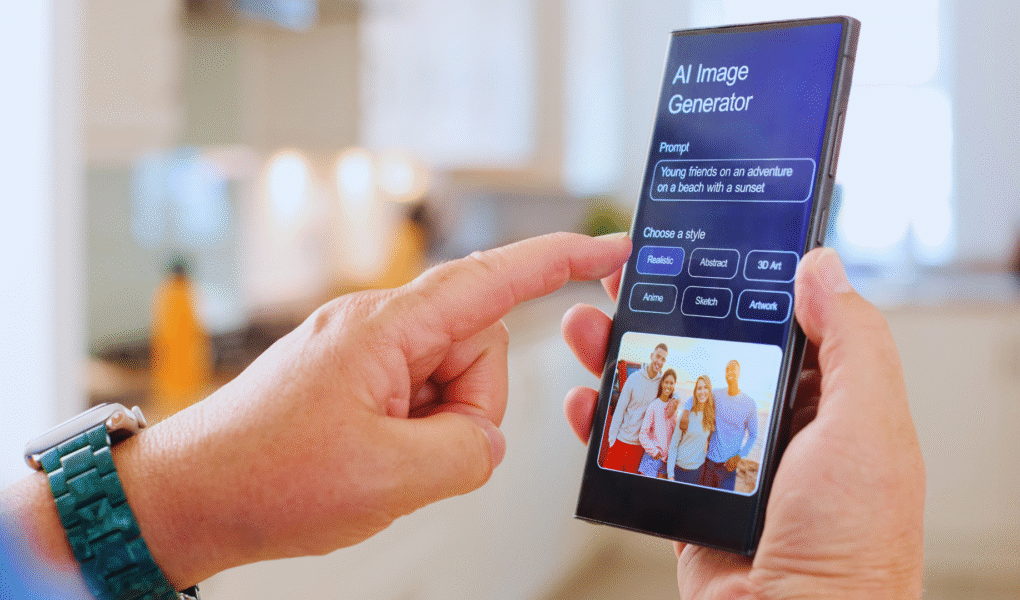
Tools like OpenAI’s DALL-E and Midjourney exemplify this trend. Artists can now use these platforms to produce diverse styles quickly, which broadens creative possibilities.
This rise raises questions about authorship and originality, as AI-generated artworks challenge traditional notions of what it means to be an artist. Artists must adapt to this new era, often collaborating with AI to enhance their creativity rather than replace it.
AI and Human Artistry
The relationship between AI and human artistry is complex. On one hand, AI serves as a tool that can enhance an artist’s capabilities. Artists can leverage generative AI to explore ideas, styles, and techniques they may not have considered.
On the other hand, some argue that reliance on AI could undermine human creativity. The essence of artistry lies in the human experience, emotions, and context that machines cannot replicate fully.
The interplay between AI and human artistry invites ongoing discussion about the boundaries of creativity. Some artists embrace these tools, while others remain skeptical about their impact on the craft.
The Debate on AI’s ‘Soul’
The philosophical debate over whether AI can possess a ‘soul’ is central to discussions about AI in art. Many contend that human creativity is fueled by lived experiences, emotions, and consciousness.
In contrast, AI operates purely on data and algorithms, raising the question of whether it can create art that resonates in the same way as human creations.
Critics argue that AI-generated art lacks authenticity and emotional depth. Proponents suggest that the absence of a soul does not diminish the value of AI art. This ongoing discourse examines what it means to create and appreciate art in an age dominated by technology.
The Legal Landscape of AI Art
The legal landscape of AI art is complex and evolving. Key issues include copyright challenges related to AI-generated works and questions of ownership and attribution.
Copyright Challenges with AI Creations
AI-generated art presents unique copyright challenges. Traditional copyright law protects original works created by human authors. However, the involvement of AI complicates the concept of authorship.
In many jurisdictions, AI itself cannot hold copyright. This raises questions about who owns the rights to the art produced. If an AI generates an image based on input data, is the AI’s creator, the user, or the programmer the rightful owner? Current interpretations vary, leading to legal ambiguities.
Additionally, issues arise when AI uses existing works as training data. If the training data includes copyrighted material, the legal ownership of the resulting creations becomes murky. Courts are beginning to address these issues, but clear legal precedents are still developing.
Ownership and Attribution
Ownership of AI art is a contentious topic. If an artist uses AI tools to create a piece, they might believe the work is theirs. However, the extent of the artist’s contribution can affect ownership claims.
Attribution also remains a complex issue. Many creators use AI to enhance their art, leading to disputes over how much credit to give the AI. The necessity of acknowledging AI’s role in the creative process is increasingly recognized, yet specific guidelines are not yet universally established.
Legislation is starting to catch up with these developments. Various countries are exploring frameworks to clarify ownership and attribution in the realm of AI-generated content. As these laws evolve, artists and creators need to stay informed about their rights and responsibilities.
AI Art in Commercial Domains
The integration of AI art in commercial fields significantly alters creative processes. It can enhance efficiency and reduce costs, while raising questions regarding originality and authenticity. The following areas are particularly influenced by AI’s capabilities.
Advertising and Marketing
AI art is revolutionizing advertising and marketing strategies. Brands employ AI-generated visuals to create personalized content, targeting specific demographics effectively.
- Cost Efficiency: Generating visuals with AI reduces production costs while maintaining high quality.
- Rapid Prototyping: Marketers can quickly test multiple visual concepts without the need for extensive human resources.
- Personalization: AI tools adapt designs in real-time based on user data, leading to more engaging advertisements.
This evolving landscape allows companies to remain competitive while pushing creative boundaries.
AI in Publishing and Gaming
In publishing, AI art streamlines graphic design and illustrations, making it easier to produce high-quality materials. Authors and publishers can utilize AI-generated covers and illustrations, enhancing visual appeal.
- Dynamic Content: In gaming, AI art algorithms create immersive worlds and unique character designs, enhancing player experience.
- Procedural Generation: Many games use AI to generate expansive, dynamic environments, ensuring each gameplay experience is unique.
- Lower Production Time: Both industries see significant reductions in turnaround times, allowing for quicker release schedules.
These advancements point to a transformative shift in how creative content is produced and consumed.
Ethical and Philosophical Considerations
As AI-generated art continues to rise in popularity, it raises important questions about authenticity and the essence of artistic creation. This section explores the implications of AI in these realms.
Authenticity and Uniqueness
The concept of authenticity in art is traditionally tied to human intention and experience. AI-generated art challenges this notion, as these creations lack the personal touch and emotional depth that often define human-made works.
Critics argue that art produced by algorithms cannot possess true uniqueness since it can replicate styles and techniques endlessly. Each piece is informed by existing data, prompting concerns about the dilution of original artistic vision.
Nonetheless, supporters contend that AI can enhance artistic possibilities. By collaborating with human artists, AI can introduce novel forms and ideas, expanding the definition of what constitutes authentic art.
Future of Artistic Expression
The integration of AI into the creative process raises questions about the future landscape of artistic expression. As technology evolves, artists may increasingly leverage AI tools for inspiration and creation.
This shift could redefine the role of the artist, transforming them from sole creators into collaborators with machines. It invites a broader interpretation of creativity, where human input and machine capabilities coexist.
Moreover, the accessibility of AI art tools may democratize art creation, allowing a wider audience to explore and express their creativity. While this expansion promotes inclusivity, it also prompts concern over the potential oversaturation of artistic work.
These developments highlight the need for ongoing dialogue regarding the implications of AI in the art world.