Virtual reality is transforming the art world, creating immersive experiences that captivate art lovers like never before. By allowing viewers to step inside the artwork, VR enhances engagement and provides a unique perspective on artistic expression. These cutting-edge exhibitions break the boundaries of traditional art shows, offering visitors an opportunity to interact with art in a three-dimensional space.
As virtual reality technology advances, artists are increasingly leveraging it to create environments that evoke deeper emotional responses. Attendees can explore vivid landscapes or animated installations, blurring the line between observer and participant. This innovative approach not only broadens the creative possibilities for artists but also invites audiences to experience art in a more personal and profound manner.
The rise of VR in art exhibitions reflects a growing trend towards embracing technology in cultural spaces. This integration appeals to a diverse audience, drawing in tech enthusiasts and seasoned art aficionados alike. With each new show, virtual reality continues to redefine how art is perceived and appreciated in the modern world.
The Evolution of Art Exhibitions
Art exhibitions have transformed significantly over the decades, adapting to technological advancements and changing audience expectations. The journey from traditional galleries to immersive environments illustrates a broader trend towards enhanced sensory engagement.
From Traditional Galleries to VR
Traditional galleries have served as the primary venues for art since their inception. In these spaces, art was often viewed in a static manner, with limited interaction. Visitors would walk through the galleries, observing artworks placed on walls without much context or engagement.
As technology advanced, exhibitions began incorporating multimedia elements. Video installations and interactive displays started emerging, allowing audiences to engage more dynamically with the art. This shift paved the way for virtual reality, which offers a more immersive experience, allowing viewers to interact with digital environments. Consequently, the conventional concept of an art gallery was expanded to include broader sensory experiences.
The Rise of VR Art Shows
VR art shows have emerged as a compelling alternative to traditional exhibitions. They provide unique opportunities for artists to create in virtual spaces, unbounded by physical limitations. This medium allows for the representation of artwork that may not be feasible in the real world.
Artists can develop fully immersive environments that enhance sensory engagement. Viewers are not only spectators but active participants in the art experience. This interactivity fosters a deeper emotional connection, enhancing appreciation of the artwork.
As this trend gains momentum, more galleries are embracing VR technologies. Art lovers now have the ability to explore global exhibitions from their homes, democratizing access to diverse art forms and experiences.
Technological Foundations of VR in Art
Virtual reality (VR) has revolutionized how art is experienced, merging technology with creativity. Key elements include the operation of VR systems and the integration of artificial intelligence (AI) in crafting immersive environments.
How VR Works
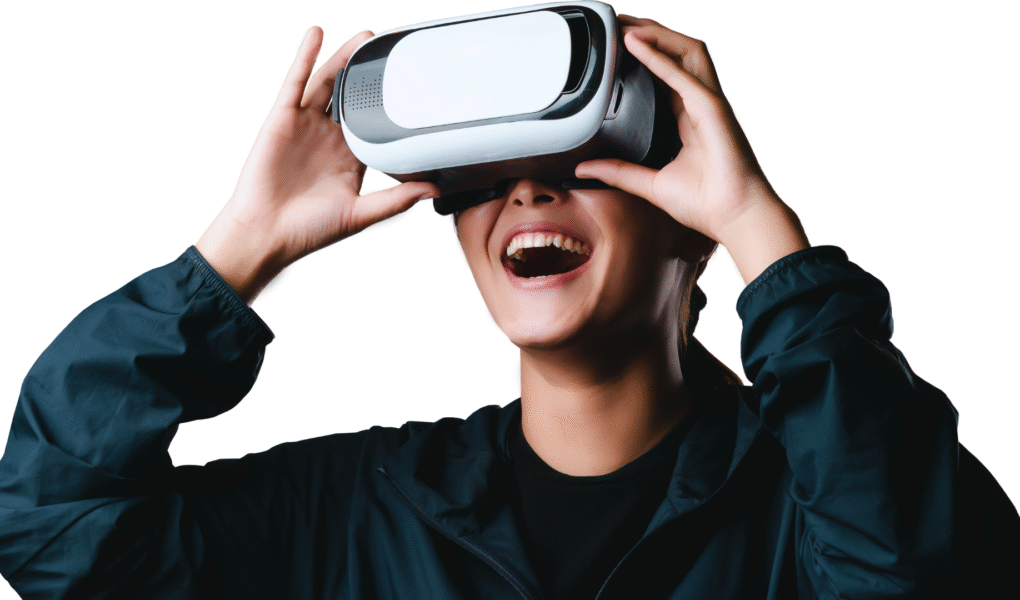
VR operates by creating a simulated environment that users can interact with in a seemingly real way. This is primarily achieved through VR headsets, which use two displays—one for each eye—to produce a stereoscopic effect.
Motion tracking sensors are also integral to VR. They measure the user’s position and gestures, allowing for real-time interaction with the artwork. This enhances the immersive experience, as participants can explore virtual galleries or installations from different angles.
Key technologies include:
- Head Tracking: Detects head movements to adjust the visual perspective accordingly.
- Hand Controllers: Enables users to manipulate objects within the virtual space.
- Audio Feedback: Spatial audio placement adapts to user movements, enriching the feel of the environment.
The Role of AI in Crafting Immersive Art
AI plays a critical role in enhancing the VR art experience by enabling dynamic content generation and personalization. Algorithms can analyze user interactions and emotions, adjusting the virtual environment to enhance engagement.
AI-driven systems synthesize visuals and sounds in real-time, allowing for unique experiences in each session. Artists can create narratives that evolve based on user choices, making each visit to an installation different.
Key applications of AI in immersive art include:
- Content Creation: Algorithms can generate visuals or even music based on user interactions.
- Personalized Experiences: Tailoring the VR environment to suit individual preferences, enhancing emotional connection.
These technological foundations form the core of how VR is shaping the future of art presentations.
Experiencing Immersive Art Shows
Attendees of immersive art shows engage deeply with artworks through virtual reality (VR). These experiences often involve interacting with virtual sculptures and embarking on sensory journeys that transform perception and engagement in art.
Interacting with Virtual Sculptures
Virtual sculptures in immersive art shows invite participants to move closer and explore details not visible in traditional formats. Users, equipped with a VR headset, can manipulate their perspective and interact with the artwork in three-dimensional space.
Through gestures and movements, they can rotate, resize, and examine textures. This interaction fosters a personal connection, allowing deeper appreciation of the artist’s intent.
Moreover, these virtual installations can include animations or changes triggered by user input, enhancing the sense of agency. Visitors not only observe but also contribute to the art-making process, transforming passive viewing into active participation.
The Sensory Journey of VR Art
The sensory engagement provided by VR art shows extends beyond the visual. Soundscapes often complement the visuals, creating an immersive environment that stimulates multiple senses.
Auditory elements can vary based on the user’s actions, aligning with the visual experience. This synchrony heightens immersion, as visitors feel enveloped in the art.
Additionally, haptic feedback technology may be used, allowing users to feel vibrations or pressure in response to virtual interactions. This multi-faceted approach amplifies emotional responses to the artworks, making each experience unique and memorable.
In essence, immersive art shows leverage technology to create a rich tapestry of sensory experiences that resonate on personal and emotional levels.
The Impact on Artists and Viewers
Virtual reality transforms the landscape of immersive art shows, creating new dimensions for artists and altering how art lovers engage with their work. This technology opens avenues for experimentation and enhances viewer interaction, making these experiences more memorable.
Creative Possibilities for Artists
Artists leverage VR technology to expand their creative boundaries. By utilizing software and hardware innovations, they can craft 3D environments that would be impossible to realize in traditional formats. This enables them to explore concepts like spatial awareness and audience participation in unique ways.
Many artists incorporate interactive elements, allowing viewers to influence their experience actively. This interactivity fosters dynamic art pieces that evolve based on user input. For instance, an artist might create a virtual sculpture that changes in response to audience movement, deepening the connection between the work and its viewers.
Additionally, VR facilitates new collaborations across disciplines, enabling artists to partner with technologists and engineers. These collaborations can lead to groundbreaking projects that merge art with cutting-edge technology.
Engagement and Reception by Art Lovers
Art lovers experience immersive shows in ways that traditional galleries cannot offer. The sense of presence in a VR environment captivates audiences, making them feel as if they are part of the artwork. This direct engagement can evoke stronger emotional responses and foster a deeper connection with the art.
Moreover, VR exhibitions often provide personalized experiences tailored to individual preferences. Viewers can navigate through different environments, choosing paths that resonate with them the most. This choice promotes a sense of agency and personal investment in the art.
Feedback from audiences also highlights the novelty of VR experiences, attracting a wider demographic. Young and tech-savvy individuals are particularly drawn to these immersive art events, expanding the audience base and invigorating the art community.