You stand at the edge of a changing gallery where screens, sensors, and algorithms alter how people encounter art. Technology expands access, personalizes experiences, and reshapes the relationship between audience and artwork.
You will see how digital tools let people interact with pieces in real time, bring remote collections into homes, and enable creators to experiment with new forms. The article maps those shifts and shows what they mean for experiencing, curating, and making art.
How Technology Is Changing the Way We Experience Art
Technology alters the creation, presentation, distribution, and ownership of art. It introduces new tools and markets, changes how audiences interact with works, and reshapes how artists are discovered and compensated.
The Rise of Digital and AI Art
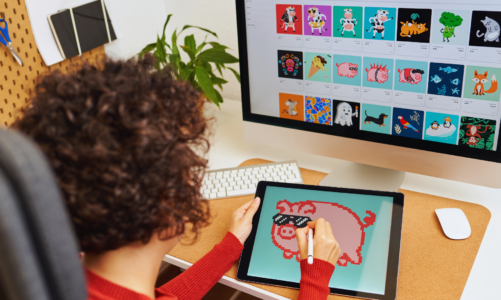
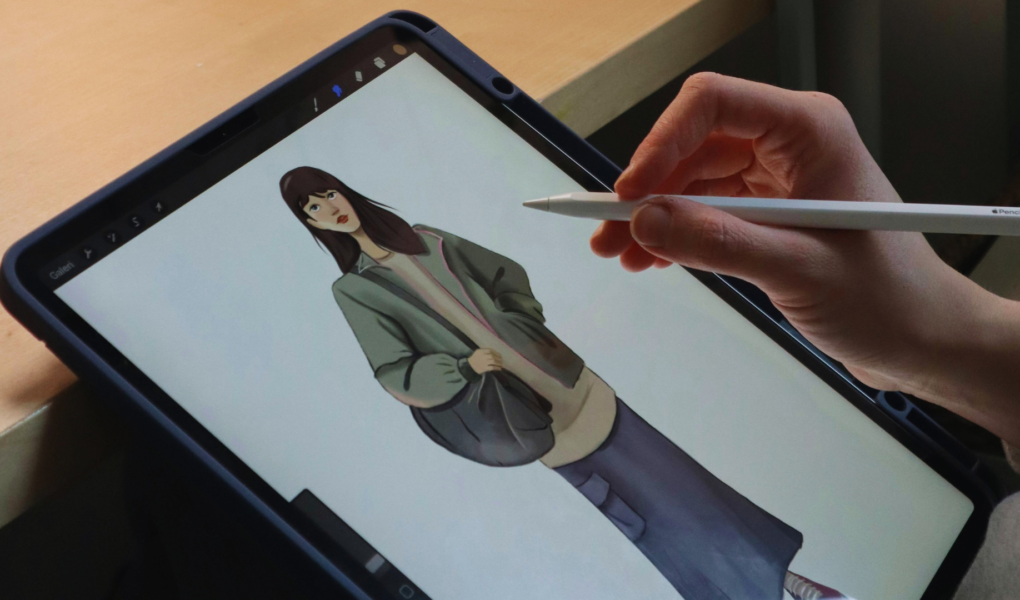
Digital painting, generative art, and AI-generated art now sit alongside traditional media in galleries and online. Artists use graphic design software, Unity, and tools like Midjourney to produce high-resolution images, animated sequences, and algorithmic compositions that evolve from code rather than brushstrokes.
Generative adversarial networks (GANs) enable novel aesthetics by training on image datasets; notable examples include Edmond de Belamy and many contemporary artists exploring machine-led authorship. Creators combine human curation with model outputs to refine concept and style, so works reflect both algorithmic patterns and artist intent.
This shift affects training and practice: emerging artists learn programming, dataset curation, and prompt engineering as core studio skills. Museums and collectors adapt conservation standards for digital files and software dependencies, changing how institutions care for contemporary digital art.
Immersive and Interactive Art Experiences
Immersive art blends sound, light, projection, and motion to place viewers inside the work. Teams like teamLab and artists such as Rafael Lozano-Hemmer and Aaron Koblin create experiential art that reacts to body movement, location data, or biometric input.
Interactive installations use sensors, cameras, and real-time engines (often Unity) to alter visuals based on audience behavior, turning spectators into participants. This dynamic challenges traditional passive viewing and extends exhibit time, as visitors return to explore different outcomes.
Galleries and pop-up spaces invest in digital installations to attract broader demographics and create social media–friendly moments, increasing accessibility but also raising questions about ephemerality, reproducibility, and the role of technical upkeep in curatorial practice.
The Impact of NFTs and Blockchain on Artistic Value
Non-fungible tokens (NFTs) introduced a blockchain-based method for proving the provenance and scarcity of digital art. They enable artists to mint unique tokens tied to digital files, creating collectible versions of works that previously circulated freely online.
NFT marketplaces changed economic models: some artists funded careers via primary sales and coded royalties for secondary transactions, while collectors track ownership through public ledgers. Critics point to environmental concerns, speculative bubbles, and cases where attribution and copyright were mishandled.
Institutions now evaluate artistic value differently, balancing cultural significance with token markets. For some emerging artists, NFTs provide direct access to global buyers; for others, the volatility and gatekeeping of high-profile drops complicate sustainable practice.
The Democratization and Future of Art
Technology lowers barriers for creation and distribution, enabling artists worldwide to publish work without traditional gatekeepers. Platforms, social media, and open-source tools let independent makers reach collectors, collaborators, and audiences directly.
AI and accessible software broaden aesthetic possibilities but also compress attention economies: algorithmic feeds drive virality, which can prioritize reproducible formats over slow, research-heavy practice. Funding models diversify through patronage platforms, NFT sales, and licensing, altering career sustainability for artists using technology.
Looking ahead, preservation of digital installations, ethical use of datasets in AI art, and transparent attribution systems will shape how artists, institutions, and audiences negotiate value. Institutions will likely blend physical and virtual offerings, while artists continue to hybridize code, craft, and concept.