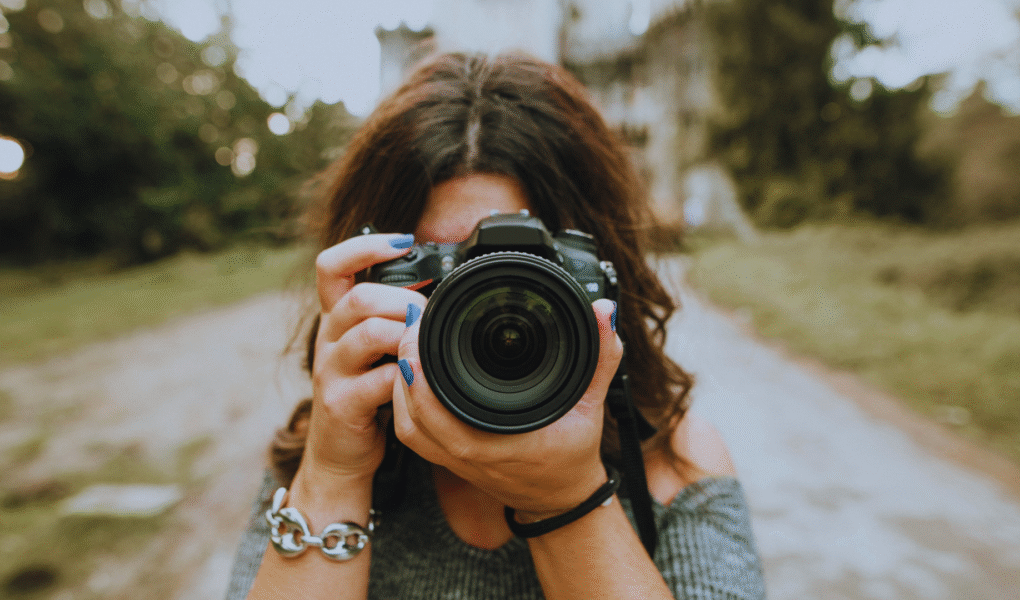
Mixing traditional photography with digital photography offers photographers a unique way to enhance their creative vision and push artistic boundaries. By skillfully blending the textures and nuances of film with the versatility and efficiency of digital, photographers can create compelling images that reflect a richer narrative. This fusion allows artists to draw upon the strengths of each medium, leading to innovative results that captivate viewers.
Traditional photography brings a certain depth and aesthetic appeal often associated with film, while digital photography opens up a realm of possibilities for editing and manipulation. Combining these two approaches can yield stunning works that showcase both the tactile elements of physical prints and the crisp clarity achieved through digital means.
As photographers experiment with this hybrid style, they discover how to leverage the distinct characteristics of both forms. By integrating film techniques with digital tools, they can create images that resonate emotionally and intellectually, fostering a deeper connection between the viewer and the artwork.
Fundamentals of Combining Traditional and Digital Photography
Mixing traditional and digital photography offers a unique opportunity to explore various techniques and enhance creative expression. Understanding core principles will facilitate this blend and improve photographic outcomes.
Understanding the Exposure Triangle
The exposure triangle consists of three key elements: ISO, shutter speed, and aperture. These factors work together to determine how light interacts with the camera sensor or film.
- ISO: This setting affects the sensitivity of the camera to light. Higher ISO values allow for better performance in low light but can introduce graininess in film or noise in digital images.
- Shutter Speed: This controls how long the camera’s shutter remains open. Faster speeds can freeze motion, while slower speeds can create motion blur.
- Aperture: This defines the lens opening. A wider aperture (lower f-stop) creates a shallow depth of field, enhancing subject isolation, while a narrower aperture (higher f-stop) increases depth of field, making backgrounds sharper.
Mastering the exposure triangle is crucial for achieving desired results in both traditional and digital formats.
Benefits of Using Film Photography
Film photography provides unique characteristics that are often celebrated by photographers. One significant aspect is dynamic range. Film typically offers broader latitude in highlighting details, especially in contrasty scenes.
Additionally, the texture and grain of film contribute to its aesthetic appeal. Each type of film stock responds differently to light, creating varied atmospheres and moods that can be difficult to replicate digitally.
Moreover, film encourages a slower, more intentional approach to photography. This thoughtful process can enhance creativity and composition skills. The tactile nature of handling physical film and prints can also make the experience more fulfilling for some photographers.
Advantages of Digital Photography
Digital photography offers distinct advantages, making it an appealing choice for many. One key benefit is instant feedback. Photographers can review their shots immediately, allowing for quick adjustments in settings such as ISO, shutter speed, and aperture.
Digital cameras typically feature higher image resolution, enabling larger prints without losing quality. They also excel in low light, with advancements in sensor technology enhancing performance in challenging conditions.
Additionally, editing software allows for greater manipulation of images post-capture. Photographers can refine exposure, color balance, and cropping, fostering creativity and experimentation. The efficiency and versatility of digital formats make it a valuable complement to traditional techniques.
Technical Aspects of Film and Digital Photography
The technical aspects of both film and digital photography present unique challenges and advantages that influence the quality of images. Understanding these differences is crucial for photographers who aim to create a seamless blend of traditional and contemporary techniques.
Working with Film Cameras and Darkrooms
Film cameras come in various formats, including 35mm, medium format, and large format. Each format offers distinct image quality and depth of field characteristics. When working with film, exposure settings are paramount. Photographers must understand how aperture, shutter speed, and ISO interact to achieve the desired effect.
Once the film is exposed, the development process involves using a darkroom. This includes mixing chemicals for developing, stop baths, and fixing. Here, film grain becomes a critical consideration, affecting the image texture. Mastery of the darkroom allows for the creation of unique prints with varied contrast and tonal range that cannot easily be replicated digitally.
Maximizing Image Quality in Digital Photography
Digital photography relies heavily on sensor technology. High-resolution sensors capture more detail, enhancing image quality. Photographers should consider the camera’s ISO range, as higher settings can introduce digital noise, which reduces clarity. Techniques such as proper stabilization and shooting in RAW format preserve details and dynamic range.
Editing tools like Photoshop play a vital role in digital workflows. These tools allow for precise adjustments, from color correction to noise reduction. Preserving image quality while manipulating files is essential. Maintaining an efficient process helps ensure that the final output remains true to the original vision while taking full advantage of digital capabilities.
Artistic Techniques for Blending Photography Mediums
Combining traditional and digital photography can create rich, layered works that showcase distinct characteristics of each medium. Mixing visual styles, textures, and colors enhances the artistic vision, leading to compelling photographs.
Contrasting Visual Styles with Film and Digital
Using color film alongside digital photography allows for striking contrasts. For example, color film often captures vibrant hues and subtle tones due to its chemical composition. In contrast, digital sensors can produce clinically accurate colors and highlight details not found in film.
Film grain can add an organic texture to images, lending them a sense of depth. When scanned and edited digitally, these film negatives can morph into unique visual narratives. By juxtaposing film images against digital creations, artists can highlight differences in sharpness and atmosphere, creating a dynamic interplay.
Developing a Unique Photographic Style
Cultivating a unique style requires experimentation with both mediums. Photographers might start by blending black and white film with color digital images. The stark contrast can evoke emotional responses and enhance storytelling.
Additionally, mastering post-processing techniques is essential. Photographers should explore editing software for adjusting film scans, creating depth through layers. For instance, selectively enhancing film grain or focusing on specific colors can elevate the overall aesthetic without compromising integrity.
Incorporating elements from both media helps form an artistic identity, allowing for personal expression while embracing the strengths of each photographic approach.
Practical Guide to Film Development and Digital Enhancement
Mixing traditional and digital photography involves understanding both film development and digital enhancement techniques. This guide provides essential methods for developing film at home and enhancing scanned images through digital software.
Home Film Processing Techniques
At-home film processing can be satisfying and cost-effective. Common formats such as 35mm and medium format film can be developed with basic supplies. Essential items include:
- Developing tank: Light-tight containers for processing film.
- Chemicals: Typically includes developing agents, stop baths, and fixers.
- Thermometers: For monitoring temperature.
The process starts with loading the film into the tank in complete darkness. After preparing the chemicals, the photographer introduces each solution according to the recommended timing and temperature. Careful control of these factors can yield high-quality images.
Digital Post-Processing Workflows
Once the film is developed, it needs to be digitized for enhancement. Scanning the developed film is vital, ideally at high resolution, to capture detail effectively.
Photoshop is a powerful tool for digital enhancement. Key actions include:
- Adjusting levels: Improving contrast by balancing shadows, midtones, and highlights.
- Color correction: Using tools such as curves or hue/saturation adjustments to achieve accurate color representation.
Additional techniques involve retouching images using healing brushes or clone tools to remove dust or scratches. The workflow from scanning to enhancement can significantly improve the final image quality, merging the best of both worlds.