In an age where technology permeates every aspect of life, modern art has embraced this shift to enhance creative expression. Artists now have unprecedented tools at their disposal, allowing them to push boundaries and explore new mediums. Combining technology and creativity can lead to groundbreaking works that resonate with audiences in ways traditional methods cannot.
From digital painting software to interactive installations, the fusion of technology and artistry opens doors to experimentation. Artists can utilize various platforms, such as virtual reality or augmented reality, to create immersive experiences that engage the viewer on multiple levels. This interplay not only enriches the artist’s toolkit but also elevates the audience’s experience, blurring the lines between the creator and the observer.
Moreover, collaborating with technologists can yield innovative outcomes, providing artists with fresh perspectives and techniques. By integrating coding, robotics, or multimedia elements into their work, they can craft pieces that respond to their environment or audience. This collaboration can transform art from a static visual into a dynamic experience, appealing to a broader range of senses and emotions.
The Intersection of Art and Technology
Art and technology have increasingly converged, leading to innovative mediums and creative expressions. This fusion enables artists to expand their capabilities and reach broader audiences through new platforms.
Emergence of AI in Modern Art
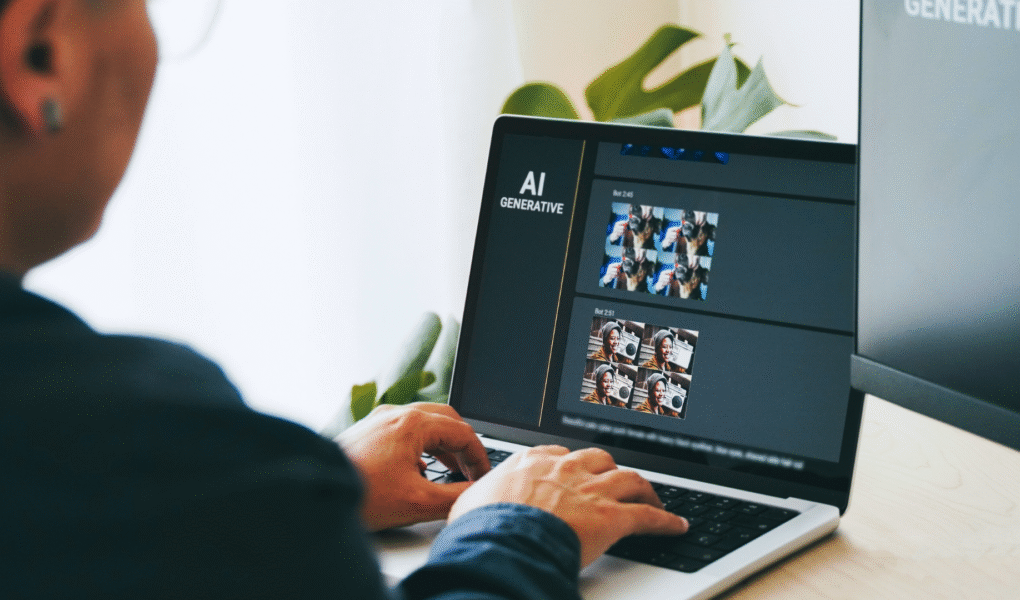
Artificial intelligence has become a transformative force in modern art. Artists now use AI algorithms to create unique pieces, sometimes blurring the line between machine and human creativity.
AI-generated art raises questions about authorship and originality. For instance, programs like DALL-E and GANs (Generative Adversarial Networks) can produce images based on simple text prompts or existing artworks. This enhances creative possibilities but also challenges traditional definitions of what constitutes art.
Additionally, some artists incorporate AI as a collaborative partner rather than a tool. This leads to unexpected outcomes and can produce a sense of unpredictability in the creative process.
Exploring Digital Art Platforms
Digital art platforms have revolutionized how artists share their work. Websites like Behance, Instagram, and ArtStation provide avenues for artists to showcase portfolios and engage with audiences worldwide.
Artists can gain visibility and feedback, which can be invaluable for career development. These platforms often feature user-friendly interfaces, enabling artists of all skill levels to join and participate.
Moreover, digital galleries enable the exhibition of immersive art experiences. Augmented reality (AR) and virtual reality (VR) technologies allow audiences to experience art in an interactive manner. This engagement can deepen the viewer’s connection to the artwork while offering fresh perspectives on traditional themes.
The integration of technology into the art world continues to drive innovation and collaboration, making the possibilities for artists and audiences virtually limitless.
Creative Process in the Digital Age
The intersection of technology and creativity is reshaping how artists express themselves. Digital tools enhance human creativity, allowing for innovative approaches and new forms of artistic expression.
Integrating AI into Human Creativity
Artists are increasingly using AI to enhance their creative process. AI can serve as a collaborative partner, generating ideas or altering existing works. This collaboration allows artists to explore new styles and concepts that may not have been possible independently.
AI-generated art can lead to unexpected results that inspire further creativity. For instance, some artists use AI to create unique pieces based on their existing artwork. This interplay fosters an environment where human intuition and machine capabilities coexist, sparking fresh artistic endeavors.
Role of Machine Learning and Neural Networks
Machine learning and neural networks play a crucial role in modern art creation. These systems analyze vast datasets of artistic style and composition, enabling them to generate new images. Artists can train models on their previous works, leading to unique synthesization of their style.
Neural networks can also assist in identifying trends and influences in art. By analyzing audience reactions and preferences, they provide artists with valuable insights. This data-driven approach allows artists to tailor their creations, enhancing engagement and resonance with their audience. Machine learning thus not only acts as a tool but also informs the direction of artistic exploration.
Innovative Tools for Artists
In the modern art landscape, technology plays a pivotal role. Innovative tools can amplify creativity and enhance the artistic process, making it essential for artists to explore these options.
Harnessing AI Tools for Artistic Creation
AI tools are transforming the creative process by offering new avenues for exploration. Artists can use platforms like DALL-E or Midjourney to generate images based on text prompts. This functionality allows them to brainstorm concepts quickly, providing a unique starting point for their work.
Moreover, AI-based applications can analyze an artist’s existing style, enabling personalized recommendations for palettes or compositions. Tools like Adobe Fresco leverage AI to offer features like auto-coloring and content-aware fill, streamlining the workflow. This aspect fosters experimentation without the fear of missteps, enhancing creativity.
Graphics Tablets and Software
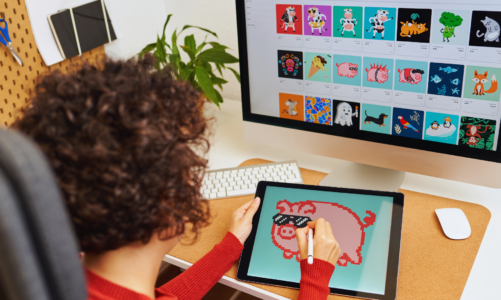
Graphics tablets have become essential tools for artists seeking precision and flexibility. Devices like the Wacom Intuos or Huion provide a natural drawing experience, mimicking traditional methods while integrating digital benefits. They offer pressure sensitivity and tilt recognition, enabling nuances in brush strokes.
Alongside these tablets, software such as Adobe Photoshop or Procreate serves as powerful allies. These applications provide an array of brushes, textures, and layers, which can be manipulated easily. Artists can save time through customizable shortcuts, allowing them to focus on creativity rather than technical limitations.
Combining graphics tablets with robust software creates a streamlined artistic environment conducive to innovation.
Challenges and Considerations
Combining technology and creativity in modern art presents unique challenges that must be navigated carefully. Key issues include authorship and ethical implications, along with the need to achieve emotional depth in works created with AI. These aspects can significantly affect the artistic landscape.
Authorship and Ethical Implications
The integration of technology raises questions about authorship. When an artist collaborates with AI, it becomes unclear who truly owns the work. This blending can lead to disputes regarding copyright and intellectual property.
Ethical considerations also arise when using machine-generated content. Artists must consider whether incorporating algorithmic processes undermines their creative integrity. There is a fine line between innovation and imitation, which can impact the authenticity of the artwork.
Maintaining transparency about the role of technology in art creation is essential. Artists can foster dialogue around these topics to address potential concerns and celebrate the collaborative nature of art in the digital age.
Achieving Emotional Depth with AI
Creating emotionally resonant art with AI can be challenging. While algorithms can generate visually impressive outputs, they often lack the immediate emotional understanding that human artists possess. This disconnect may impact the ability to convey deep feelings effectively.
To enhance emotional depth, artists should actively engage in the programming process, ensuring that their unique perspectives inform the AI’s creative output. This involvement can help bridge the gap between technology and traditional methods.
Artists might also draw inspiration from human experiences, embedding personal narratives into their work. Balancing technological innovation with emotional storytelling can lead to more profound and impactful pieces that resonate with audiences while pushing creative boundaries.