The rise of blockchain technology is reshaping various industries, and the digital art market is no exception. With its ability to establish provenance and ownership, blockchain is providing artists and collectors with unprecedented control over their work. This transformative technology is not only increasing transparency in transactions but is also enhancing the value of digital art through non-fungible tokens (NFTs).
Artists now have the opportunity to create and sell unique digital pieces, reaching a global audience without the need for traditional galleries. This shift allows for more direct engagement between creators and buyers. Moreover, blockchain’s secure and immutable ledger ensures that ownership records are permanently stored, reducing the risk of fraud and unauthorized reproduction.
As digital art gains traction, the integration of blockchain continues to foster innovation within the art market. By ensuring authenticity and enabling new revenue streams, it supports artists in navigating an evolving landscape. The implications of blockchain extend beyond mere transactions, fundamentally altering how art is created, sold, and appreciated in the digital age.
Blockchain Fundamentals in Digital Art
Blockchain technology has significantly influenced the digital art market by introducing new forms of ownership and methods of transaction. Key concepts include the underlying mechanics of blockchain, the use of cryptocurrencies, and the implementation of smart contracts.
Understanding Blockchain Technology
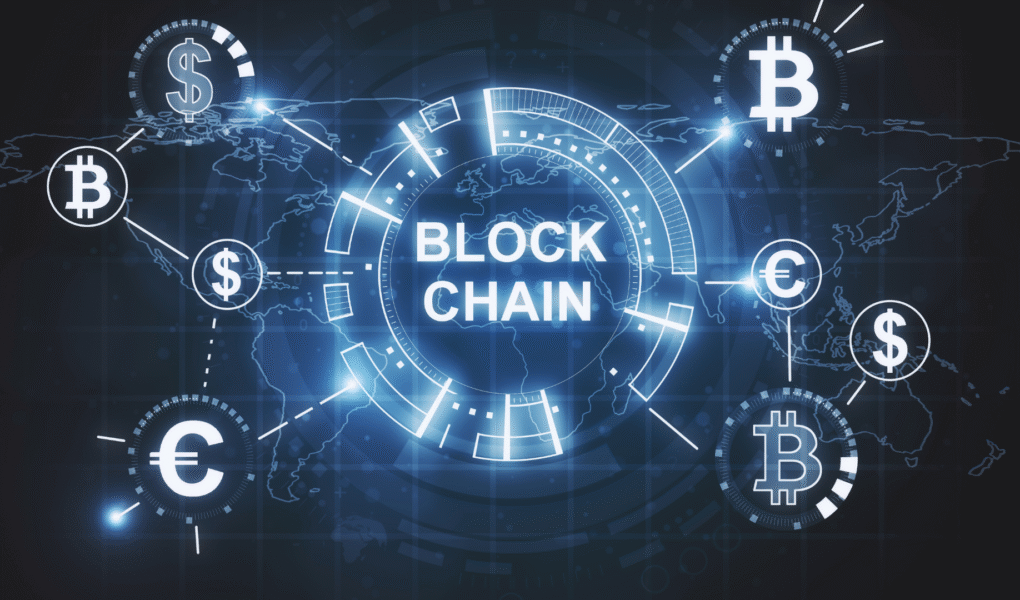
Blockchain is a decentralized ledger system. It records transactions across multiple computers, ensuring transparency and security. Every transaction is stored in blocks, which are linked in a chronological chain.
This immutability makes blockchain an ideal platform for digital art. Artists can register their works, demonstrating provenance and authenticity. Platforms like Ethereum leverage this technology, enabling artists to mint non-fungible tokens (NFTs) that represent ownership of digital art pieces.
The Role of Cryptocurrencies
Cryptocurrencies such as Bitcoin and Ether play a pivotal role in the digital art ecosystem. They facilitate secure, instant transactions without the need for intermediaries.
Artists and buyers can transact using these digital currencies, providing a seamless experience. The use of crypto also allows for fractional ownership, enabling multiple investors to hold stakes in high-value artworks, broadening access to the art market.
Smart Contracts and Digital Ownership
Smart contracts are self-executing contracts with the terms directly written into code. In digital art, they automate transactions and enforce conditions such as royalties for artists on secondary sales.
This functionality ensures that artists receive compensation whenever their work is sold in the future. Additionally, smart contracts strengthen digital ownership, as they verify authenticity and transfer of rights without manual intervention, promoting trust in transactions.
Impact on Art Creation and Sales
Blockchain technology is reshaping the digital art landscape in substantial ways, particularly in how art is created and sold. By enabling true ownership and the protection of intellectual property, it fosters innovation and simplifies the marketplace for artists and collectors.
Transforming the Creation of Art
Blockchain empowers artists by offering them unique opportunities to create and disseminate digital art. With the introduction of non-fungible tokens (NFTs), artists can tokenize their work, ensuring verifiable ownership and authenticity. This addresses the long-standing challenge of copyright infringement in digital mediums.
The ability to track ownership through blockchain adds a layer of security. It enables artists to receive royalties on secondary sales, maintaining an ongoing revenue stream. Moreover, artists can engage directly with their audience, bypassing traditional galleries and auction houses, which can take large commissions.
Revolutionizing Art Sales and Auctions
The art market is witnessing a dramatic shift in how sales occur, driven by blockchain technology. NFT platforms have emerged as primary venues for art sales, allowing for transparent and efficient transactions. This has led to an increase in liquidity, making it easier for artists and collectors to trade digital assets.
Auction houses are adapting by hosting digital art auctions, where collectible digital art pieces are sold to the highest bidder. This approach democratizes access, allowing a broader audience to participate in the art market. Notable sales, such as Beeple’s $69 million NFT auction at Christie’s, highlight this trend.
New Platforms for Art Trade
Numerous new platforms are dedicated to trading digital art, each leveraging blockchain for security and transparency. Marketplaces like OpenSea and Rarible allow artists to showcase and sell their work without intermediary fees commonly seen in traditional galleries.
Furthermore, initial coin offerings (ICOs) are emerging as a means to fund art projects and support artists. This innovative financing method offers investors a stake in upcoming digital artworks, facilitating partnerships between creators and their supporters. As these platforms grow, they are redefining the relationship between artists and their patrons.
Through these developments, blockchain technology is not only transforming the creation process but also revolutionizing how art is bought, sold, and valued in today’s digital marketplace.
Ensuring Authenticity and Trust
Blockchain technology plays a vital role in ensuring authenticity and trust within the digital art market. By leveraging its core features, such as transparency and security, stakeholders can confidently navigate the complexities of provenance and fraud prevention.
Provenance and Authenticity Verification
A blockchain’s immutable ledger allows for precise tracking of a digital artwork’s provenance. Each transaction is recorded, creating a history that verifies the artwork’s origin and ownership. This transparency reduces the risks associated with art forgery and helps collectors confirm the authenticity of their acquisitions.
Artists can mint unique tokens or NFTs (Non-Fungible Tokens) for their digital creations. These tokens serve as a certificate of authenticity, linking the artwork to the creator. With each sale or transfer recorded on the blockchain, buyers can see the entire ownership history. This ensures that they are acquiring legitimate artwork rather than just a copy.
Combating Fraud and Counterfeiting
The digital art market faces challenges with fraud and counterfeiting, similar to traditional art. Blockchain technology addresses these issues by providing a secure environment for transactions. Each digital asset is given a unique, verifiable identity, making it nearly impossible for counterfeit versions to enter the market unnoticed.
Smart contracts on blockchains further enhance security. They automatically enforce terms of sale and ownership transfer, which minimizes the risk of fraud. When an artwork is sold, the system automatically updates its ownership status, reducing the possibility of misrepresentation.
Building Trust with Transparency
Transparency is crucial in the digital art market, especially for building trust between artists and collectors. Blockchain’s decentralized nature allows all participants to verify transactions independently. This fosters a trustworthy environment where artists can showcase their work and receive fair compensation.
Additionally, buyers can view the entire life cycle of an artwork, from creation to sale. This visibility helps mitigate concerns regarding authenticity and ownership disputes. By providing access to detailed records, blockchain technology empowers stakeholders to make informed decisions in their art acquisitions.