City streets pulse with life, offering photographers a unique canvas for capturing dynamic moments rich with energy. To effectively capture the energy of city streets, one must focus on the interplay of light, movement, and urban interactions. This involves not only understanding the technical aspects of street photography but also developing an instinct for when and where to shoot.
Urban life presents endless opportunities for striking images, whether it’s the rush of pedestrians, vibrant storefronts, or the architecture that frames everyday scenes. Observing the rhythm of city life enhances one’s ability to anticipate moments that tell compelling stories. Engaging with the environment and its inhabitants can lead to authentic captures that resonate with viewers.
Successful street photography requires a balance between technique and intuition. By honing skills such as composition, timing, and understanding the nuances of city life, photographers can truly convey the vibrancy and diversity of urban spaces.
Essential Equipment for Street Photography
Selecting the right gear is crucial for effectively capturing the vibrant energy of city streets. The appropriate camera and lens, alongside stabilizing equipment and filters, significantly enhance the quality of street photographs.
Choosing the Right Camera and Lens
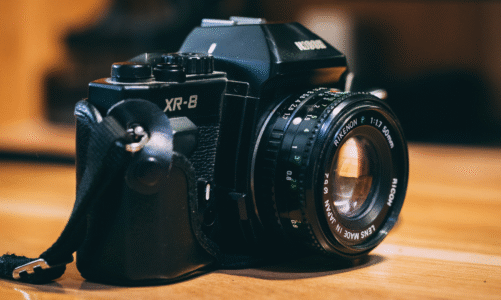
For street photography, a compact camera or mirrorless system is often preferred due to their portability and fast shooting capabilities. These cameras allow for quick adjustments and can perform well in various lighting conditions.
Lenses play an essential role as well. A wide-angle lens (e.g., 24mm) provides a broader perspective, capturing expansive scenes and making it easier to include more elements in the frame. In contrast, a telephoto lens (e.g., 70-200mm) helps isolate subjects from a distance, creating compelling portraits amidst bustling crowds.
Camera settings should prioritize speed and adaptability. Using a higher ISO can help in low-light settings, while maintaining fast shutter speeds freezes motion, which is vital for lively street scenes.
Why a Tripod Can Enhance Your Shots
In urban environments, a tripod can be invaluable. While street photography often emphasizes mobility, a tripod offers stability for longer exposures, particularly in low-light conditions. It allows for carefully composed shots without the risk of camera shake.
Selecting a lightweight tripod allows for easy transport while still providing the necessary stability. Many tripods have adjustable heights and flexible legs, enabling creative angles that adapt to the urban landscape.
When using a tripod, remember to apply the appropriate camera settings. Slower shutter speeds can help capture movement blur, transforming busy streets into dynamic images.
The Role of Filters in Urban Photography
Filters serve various purposes in street photography. Polarizing filters reduce glare from reflective surfaces such as glass and water, enhancing color saturation and contrast. This is particularly beneficial when photographing cityscapes.
ND (Neutral Density) filters can also be useful. They allow for longer exposures in bright conditions, making it possible to create motion blur in moving crowds or flowing traffic.
When choosing filters, consider the lens diameter to ensure proper fitting. Quality filters provide clearer images without compromising sharpness. By incorporating these tools, a photographer can elevate their street photography, capturing the city’s energy in striking detail.
Mastering Composition and Perspective
Effective composition and perspective are essential for capturing the vibrancy of city streets. By applying specific techniques, photographers can create dynamic images that engage viewers and convey the energy of urban life.
Embracing the Rule of Thirds and Dynamic Composition
The rule of thirds is a fundamental guideline in photography that divides an image into a 3×3 grid. Placing key elements along these lines or at their intersections can enhance visual interest.
For city street photography, he or she can position subjects like pedestrians, storefronts, or architectural features strategically within these zones. This method not only balances the composition but also draws the viewer’s eye to the most important aspects of the scene.
Dynamic composition involves using angles and viewpoints that evoke movement. A low-angle shot of a bustling street can create a sense of excitement and energy. By experimenting with these techniques, photographers can capture the unique vibe of cityscapes.
Creating Depth with Leading Lines and Architecture
Leading lines guide the viewer’s eye through an image, creating a sense of depth and perspective. Streets, sidewalks, and architectural elements often serve as natural leading lines, drawing attention to the subject.
Incorporating structures such as bridges, railings, and buildings can enhance this effect. A well-placed line can lead the viewer deeper into the scene, immersing them in the experience of the busy streets.
Architectural features also add layers to an image. By framing subjects with doorways or windows, an additional perspective is offered, making the photograph more engaging and multi-dimensional.
Incorporating Patterns and Textures for Visual Interest
Patterns and textures add richness to urban photography. Repeating elements, such as brickwork or street art, can create visual harmony.
When he or she notices these details, they can highlight them to add character. Textures from surfaces like pavement, metal, or fabric can evoke sensory experiences and enhance the overall composition.
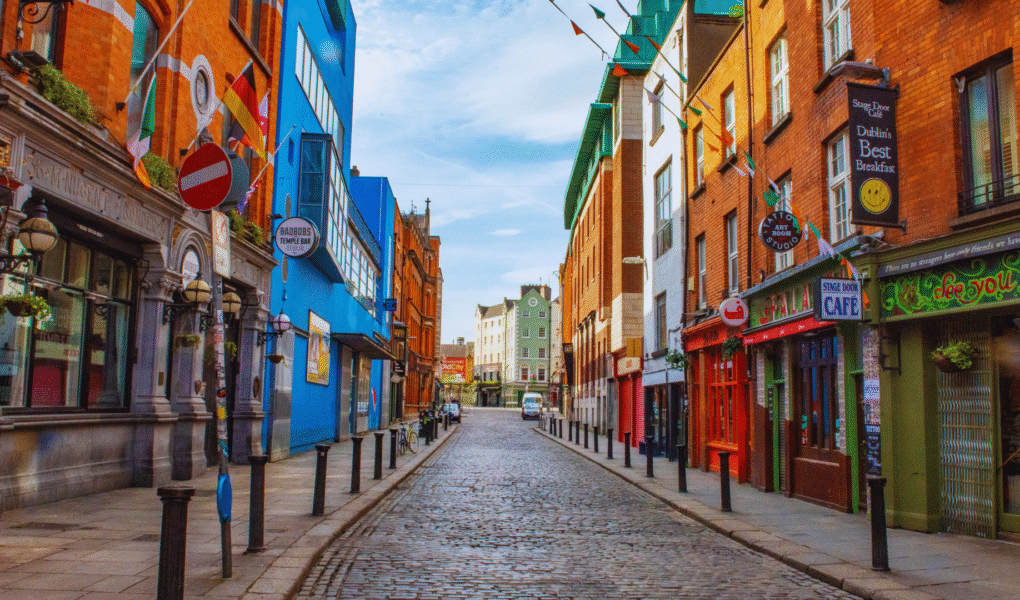
One effective strategy is to juxtapose contrasting textures, such as a smooth glass building against rough cobblestones. This variation creates a dynamic visual experience, capturing the viewer’s attention and inviting them to explore the image further.
Capturing the Essence of City Streets
Photographing city streets requires a keen eye for moments that encapsulate urban life. Key aspects include embracing candid shots, exploring public spaces, and maximizing the use of natural light to enhance mood through color.
The Art of Candid Shots and Storytelling
Candid photography effectively captures spontaneous moments, presenting an authentic depiction of city life. Observing locals, their interactions, and the environment allows for storytelling through imagery.
To succeed, focus on timing and anticipation. The right moment may emerge suddenly, such as a child playing or a street performer engaging with the audience.
Using a fast shutter speed helps freeze action, while a longer focal length can create intimacy by allowing the photographer to remain discreet. Capturing these unguarded instances reveals the dynamic energy present in urban settings.
Exploring Public Spaces for Authentic Urban Life
Public spaces serve as the heart of any city, providing various scenarios for genuine interactions. Parks, plazas, and markets are bustling with energy and life. By wandering these areas, photographers can discover unique street scenes that showcase local culture.
Pay attention to the architecture and surrounding details. Elements like street art, benches, and vendor stands contribute to the narrative.
Consider engaging with locals or asking for permission to photograph them. This approach can foster a sense of connection and authenticity in the images captured.
Utilizing Natural Light and Colors to Convey Mood
Natural light plays a vital role in photography, particularly in city environments. Early mornings and late afternoons provide golden hours, casting warm tones that enhance visual storytelling.
Understanding how light interacts with urban structures allows for striking contrasts and sharp shadows. This interplay influences the overall mood of the photographs.
Colors also carry weight in urban photography. Look for vibrant scenes that reflect the character of the city. Warm hues can evoke energy, while cooler tones may convey calmness.
Incorporating both light and color effectively can transform ordinary scenes into captivating works of art.
Advanced Techniques in Street Photography
Capturing the essence of city streets requires a combination of technical skill and creative vision. Specific techniques can enhance the energy and interest in photographs taken in urban settings.
Harnessing the Power of Lighting and Golden Hour
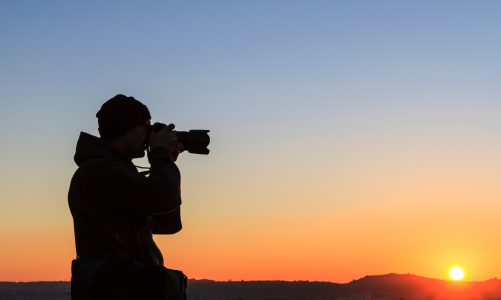
Lighting plays a critical role in street photography. The golden hour, occurring shortly after sunrise or before sunset, provides soft, warm light. This time creates dynamic contrasts and rich textures in cityscapes.
Photographers can enhance their images by using natural light to highlight graffiti or architectural details. Positioning subjects against illuminated backgrounds can add depth. Experimenting with shadows can produce compelling compositions.
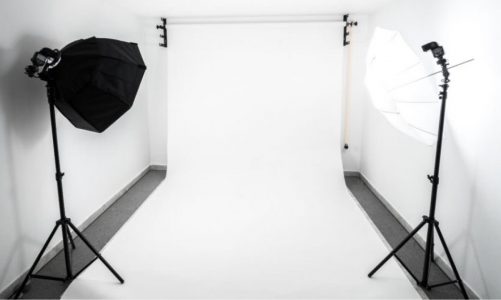
Utilizing reflectors or auxiliary lights can further manipulate ambient light, giving control over the composition’s mood and tone. Understanding light direction and intensity will help create more engaging photographs.
The Impact of Shutter Speed and Aperture on Motion
Shutter speed and aperture settings significantly influence how motion is captured. A faster shutter speed freezes action, ideal for bustling street scenes. This technique is crucial when photographing moving subjects, such as cyclists or pedestrians.
Conversely, using a slower shutter speed can convey motion, such as blurring the movement of cars or pedestrians. This technique might be employed effectively in long-exposure shots to create ethereal effects.
Aperture settings also affect depth of field. A wider aperture (lower f-stop number) blurs backgrounds, drawing attention to subjects. It allows the photographer to isolate subjects in crowded scenes.
Post-Processing for a Polished Final Image
Post-processing is essential for refining street photography. Editing techniques can enhance colors, contrast, and sharpness to elevate the final image. Software like Adobe Lightroom or Photoshop offers numerous tools for adjustment.
Radical changes should be approached with caution. Subtle enhancements often yield more natural results. Adjusting clarity and vibrance enhances details without overpowering the image.
Cropping can help eliminate distractions, while careful color correction can align the image with the photographer’s vision. Applying selective edits, like dodging and burning, can draw focus to particular elements, further enhancing the scene’s narrative.