As artificial intelligence continues to evolve, its impact on the creative process is becoming increasingly significant. The future of AI art tools promises to enhance artistic expression by providing new ways for artists to brainstorm, create, and refine their work. With advancements in technology, these tools are not just supporting traditional artists; they are also enabling new forms of creativity that were previously unimaginable.
AI art tools are transforming the landscape of visual creation. They allow users to experiment with styles, generate novel content, and even collaborate with algorithms in real time. This fusion of technology and creativity offers exciting opportunities for both seasoned professionals and those new to the art world.
The integration of AI into artistic practices raises important questions about authenticity and the role of human creativity. As these tools develop, they not only challenge traditional notions of art but also invite a broader audience to engage with the creative process. The exploration of AI in art is just beginning, and its potential is vast.
Evolution of AI in the Artistic Realm
The development of AI technologies has profoundly influenced the art world, reshaping creative expression and prompting new forms of artistic creation. By examining the emergence of these tools, their impact on traditional artistry, and the evolution of AI-generated works, a clearer understanding of this transformation begins to emerge.
The Emergence of AI Tools
AI tools in art began gaining traction in the 2010s, fueled by advancements in machine learning and neural networks. These technologies enabled computers to analyze vast datasets of images, allowing them to generate unique art pieces based on learned patterns.
Prominent platforms like DALL-E and DeepArt have brought AI-generated art to the forefront, providing artists with innovative resources for creation. These tools expand creative possibilities, encouraging collaboration between humans and machines.
The accessibility of AI tools democratizes art-making, allowing individuals without traditional skills to engage in creative expression. As a result, a growing community of tech-savvy artists now integrates AI into their workflows.
Impact on Traditional Artistic Expression
The rise of AI art tools introduces both challenges and opportunities for traditional artists. While some perceive AI as a threat, others view it as a tool to enhance their own creativity.
For instance, established artists incorporate AI-generated elements into their works, blending technology with traditional techniques. This fusion leads to unique art forms that push the boundaries of conventional practices.
Moreover, AI’s ability to produce art quickly and efficiently raises questions about originality and authorship. This sparks discussions within the art world regarding the value of human touch versus machine-generated works.
AI-Generated Art: From Pixels to Masterpieces
AI-generated art has evolved from simple algorithms producing basic images to sophisticated models creating intricate, emotionally resonant pieces. Techniques like generative adversarial networks (GANs) enable AI to produce works that can rival human artistry.
Major exhibitions have showcased AI art, challenging perceptions of creativity. Critics debate whether these works possess true artistic merit, yet many recognize the innovation they bring to the field.
AI art’s popularity is reflected in auction houses, where digital works fetch high prices. This trend highlights the growing acceptance of AI as a legitimate medium within the art community.
As AI continues to develop, it will likely spur new movements and styles. This evolution presents immense potential for further exploration and transformation in the artistic landscape.
Technological Advancements in AI Art Tools
Recent developments in AI art tools have transformed creative processes significantly. Key advancements in machine learning, contributions from major tech companies, and innovative platforms highlight the dynamic evolution within this field.
Machine Learning and Generative AI
Machine learning algorithms have become foundational in AI art creation. These algorithms analyze vast datasets of images, learning patterns, styles, and techniques used by human artists. The rise of generative AI enables the creation of new and unique artworks by synthesizing these learned features.
By utilizing techniques like neural networks, AI tools can understand the intricacies of art styles ranging from impressionism to abstract. This functionality allows users to generate art that mirrors these styles or even blend them in novel ways. The continuous improvement in the algorithms enhances the quality and complexity of artwork produced.
The Role of Big Players: Adobe and Google
Companies like Adobe and Google have significantly influenced the development of AI art tools. Adobe’s integration of AI into its Creative Cloud products, including Photoshop and Illustrator, allows artists to enhance their workflows through AI-driven features like content-aware fill and style transfer. This advancement streamlines creative tasks while keeping the artist in control.
Google’s DeepMind has made strides in generative design, showcasing techniques that can produce artworks from textual descriptions. Their research enhances creativity by providing tools that artists can use to explore new visual possibilities. These platforms not only improve user capabilities but also push the boundaries of what AI can achieve in art.
Innovative Platforms: OpenAI’s DALL-E and DeepDream
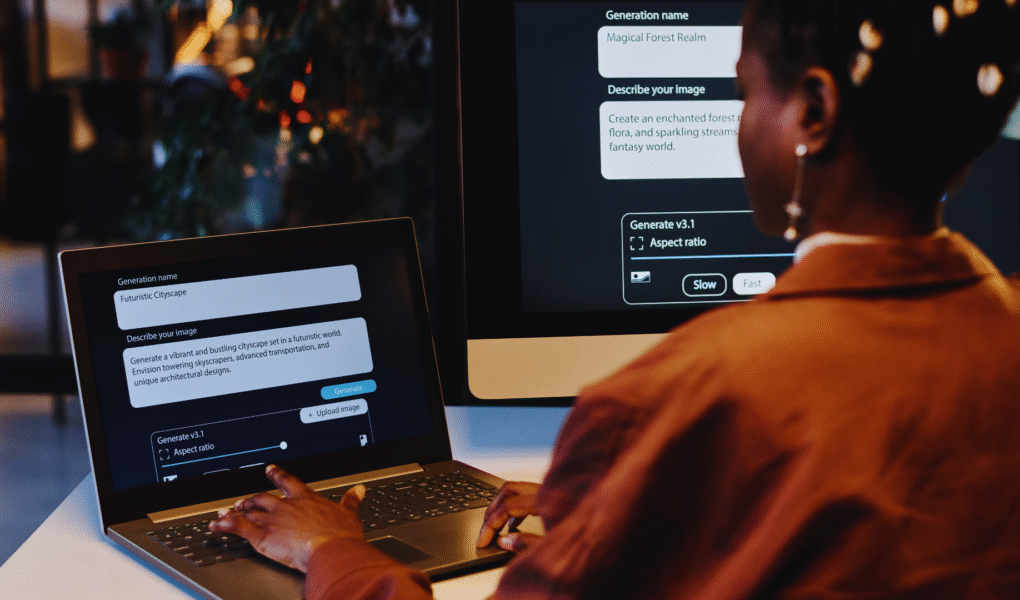
OpenAI’s DALL-E has revolutionized the landscape of AI-generated art. By converting textual prompts into detailed images, DALL-E empowers users to create visuals that align precisely with their ideas. This technology harnesses advanced neural networks, making it accessible for both amateur and professional artists.
DeepDream, developed by Google, represents another innovative approach. By processing images through neural networks, it enhances patterns and creates dream-like visuals. Users can leverage DeepDream to generate unique interpretations of existing images, fostering a new wave of creativity. Both platforms exemplify how AI art tools are rewriting the rules of artistic expression.
Creative Horizons: The Intersection of AI and Art
The evolving landscape of art is increasingly influenced by AI technologies. This encompasses broad aspects including creativity, aesthetics, and the narratives behind visual images. As designers explore AI-generated art, they push the boundaries of traditional creative practices.
Expanding the Boundaries of Creativity
AI tools enable artists to venture into new realms of creativity that were previously unattainable. By leveraging algorithms and machine learning, artists can generate unique visual outputs that challenge conventional methods.
Through collaboration between human intuition and machine calculation, works emerge that surprise both creators and audiences. This fusion facilitates a rapid exploration of styles and themes, transcending limitations seen in manual artistry.
The synergy between human imagination and AI assists in constructing richer creative landscapes, encouraging artists to redefine what art can be. Experimentation becomes more accessible, inviting a broader array of contributors to the art world.
Visual Arts and AI: A Symbiotic Relationship
The relationship between visual arts and AI is increasingly symbiotic. Designers utilize AI as a collaborative partner, integrating it into their workflows. This integration leads to innovative visual exploration, where human creativity and AI’s analytical power converge.
AI can analyze vast datasets of existing artworks, helping artists identify trends and discover new techniques. Such insights can inform artistic decisions, allowing creatives to build upon established aesthetics with fresh perspectives.
As artists interact with AI, they not only harness its capabilities but also critique its outputs, shaping the future direction of AI-generated art. This mutual influence enhances the richness of visual expression.
Narratives and Aesthetics in AI-Generated Content
Narratives play a crucial role in AI-generated content, where stories are encapsulated in visual outputs. Designers are tasked with infusing meaning into pieces created with AI, bridging technological creation with human experience.
Aesthetics in AI art are defined not just by visual appeal, but by the underlying concepts and emotions conveyed through the artwork. This intersection allows for narratives that resonate deeply, creating connections with audiences.
The effective blending of narrative structures with AI outputs can lead to unexpected interpretations. As a result, the conversations surrounding art evolve, drawing in diverse perspectives and enhancing appreciation for both human and machine contributions.
The Future of AI Art Tools and Their Societal Impact
AI art tools are reshaping creative expression, enhancing artistic freedom while prompting ethical considerations. As these technologies evolve, they play a significant role in art creation, education, and societal norms.
Artistic Freedom and AI’s Role
AI, particularly tools like Midjourney and Adobe Firefly, expands the boundaries of artistic expression. Through creative AI, artists can experiment with styles and techniques that may be beyond their traditional skills.
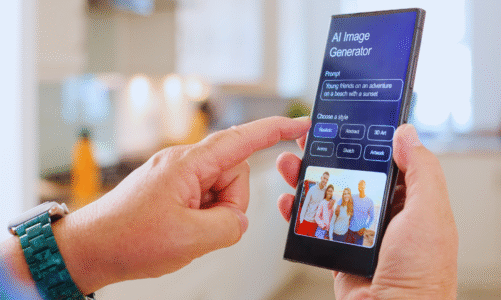
These platforms allow users to generate images from text prompts, democratizing art creation. As a result, individuals without formal training can create compelling visuals. This shift fosters a new wave of creativity where collaboration between humans and AI becomes commonplace.
Ethics and the AI Art Revolution
The rise of AI-generated art brings forward ethical challenges. Questions about authorship and originality arise as AI tools can replicate existing styles and techniques.
Artists and consumers must consider who holds the rights to AI-generated creations. Furthermore, there are concerns about potential biases in the data used to train these models. Addressing these ethical dilemmas is crucial for ensuring that AI art remains a positive force in society.
Educating Artists and Designers in the Age of AI
As AI becomes integral to the creative industry, education must adapt. Programs that incorporate AI tools into curricula can prepare artists for the future.
Courses focusing on the intersection of technology and art can empower students to harness AI effectively. Knowledge about ethical implications and technical aspects of AI artistry is essential.
Thus, institutions must evolve to equip the next generation of artists with the necessary skills to thrive in this changing landscape.